
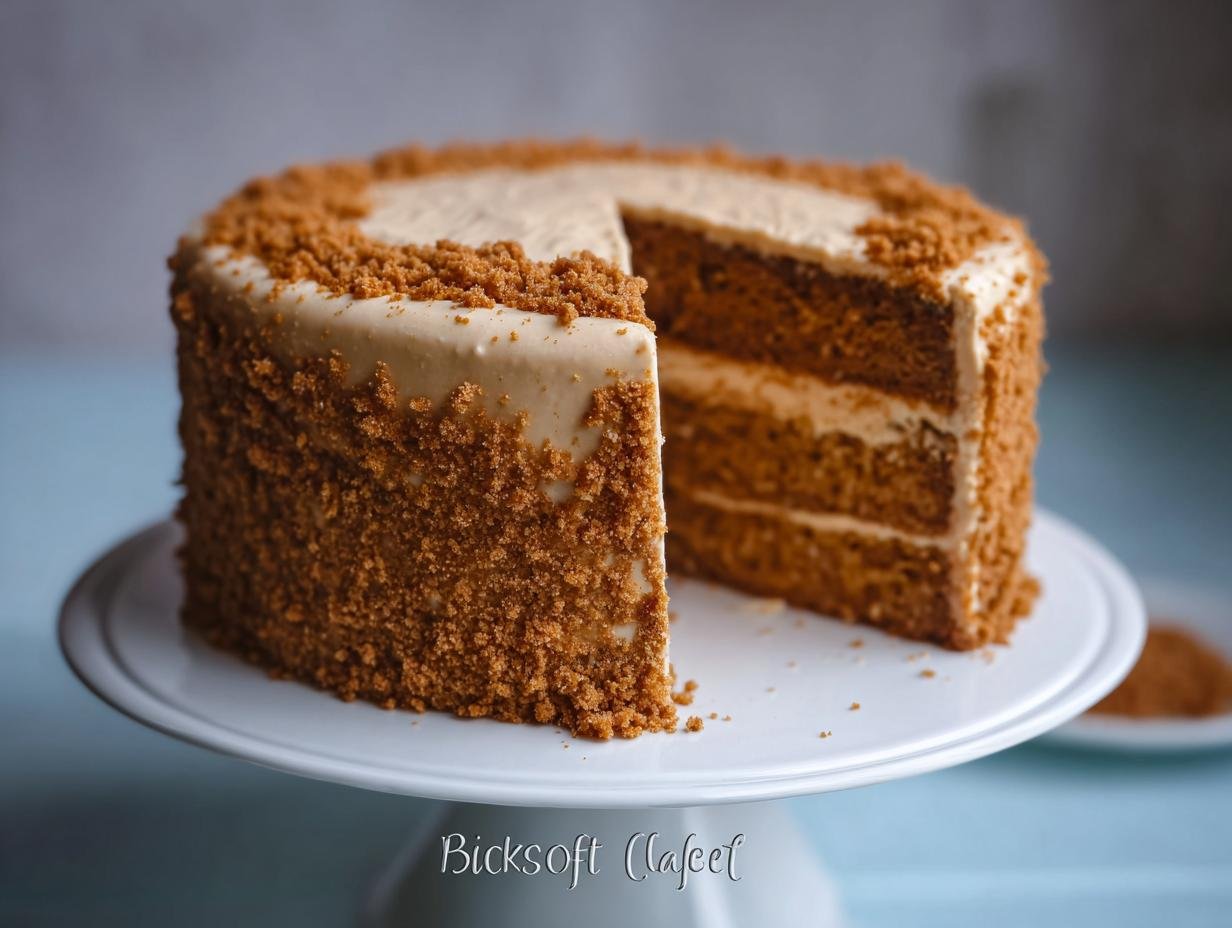
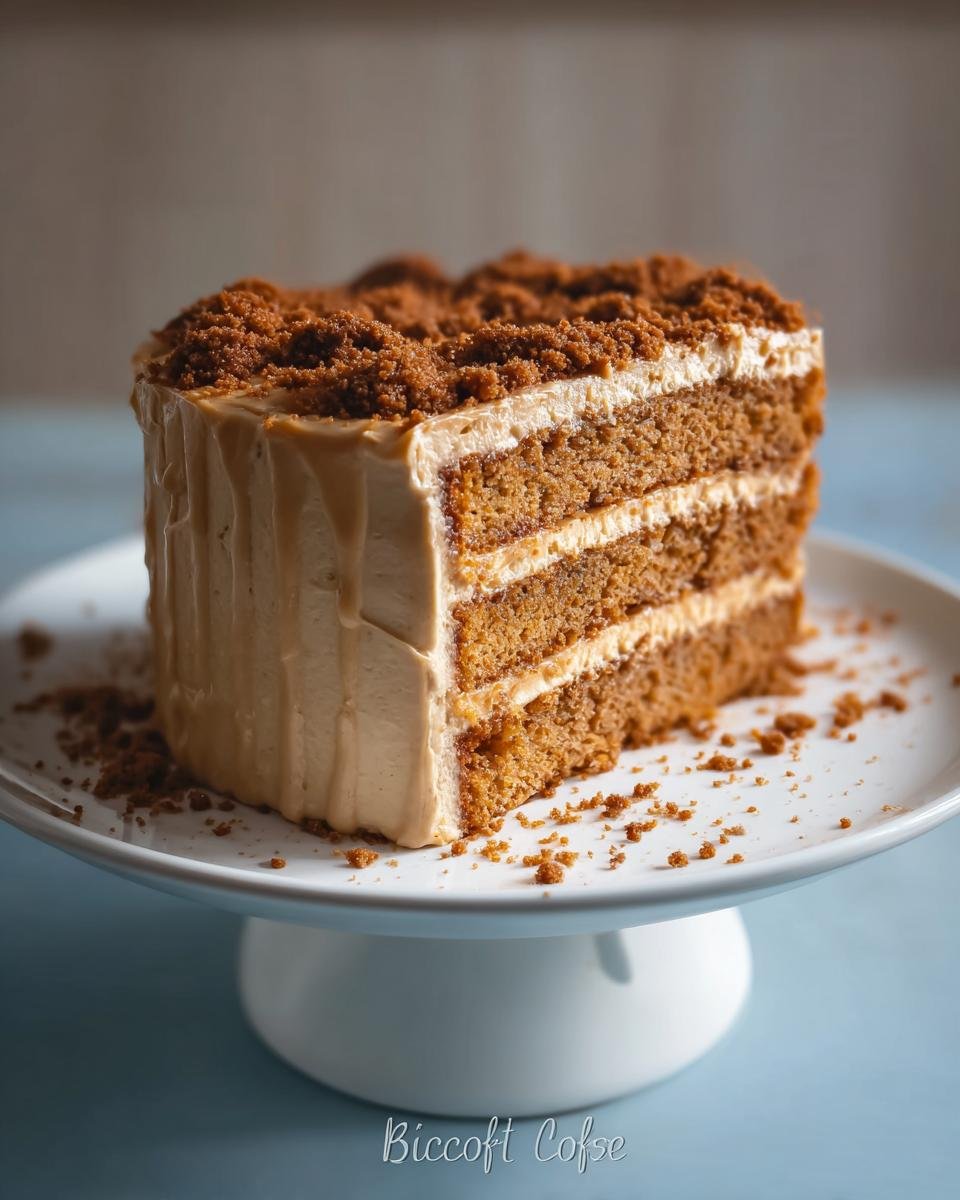
Oh, homemade cakes! There’s just something so special, right? And when you add that magical, creamy Biscoff spread into the mix? Heaven! Today, I’m so excited to share my recipe for the most incredible Biscoff Cake: Delicious, Homemade Cake Recipe. Trust me, this isn’t just any cake; it’s a moist, flavorful dream with a frosting that’ll have you licking the spoon. I’ve spent ages perfecting this, and it truly tastes like a hug in cake form.
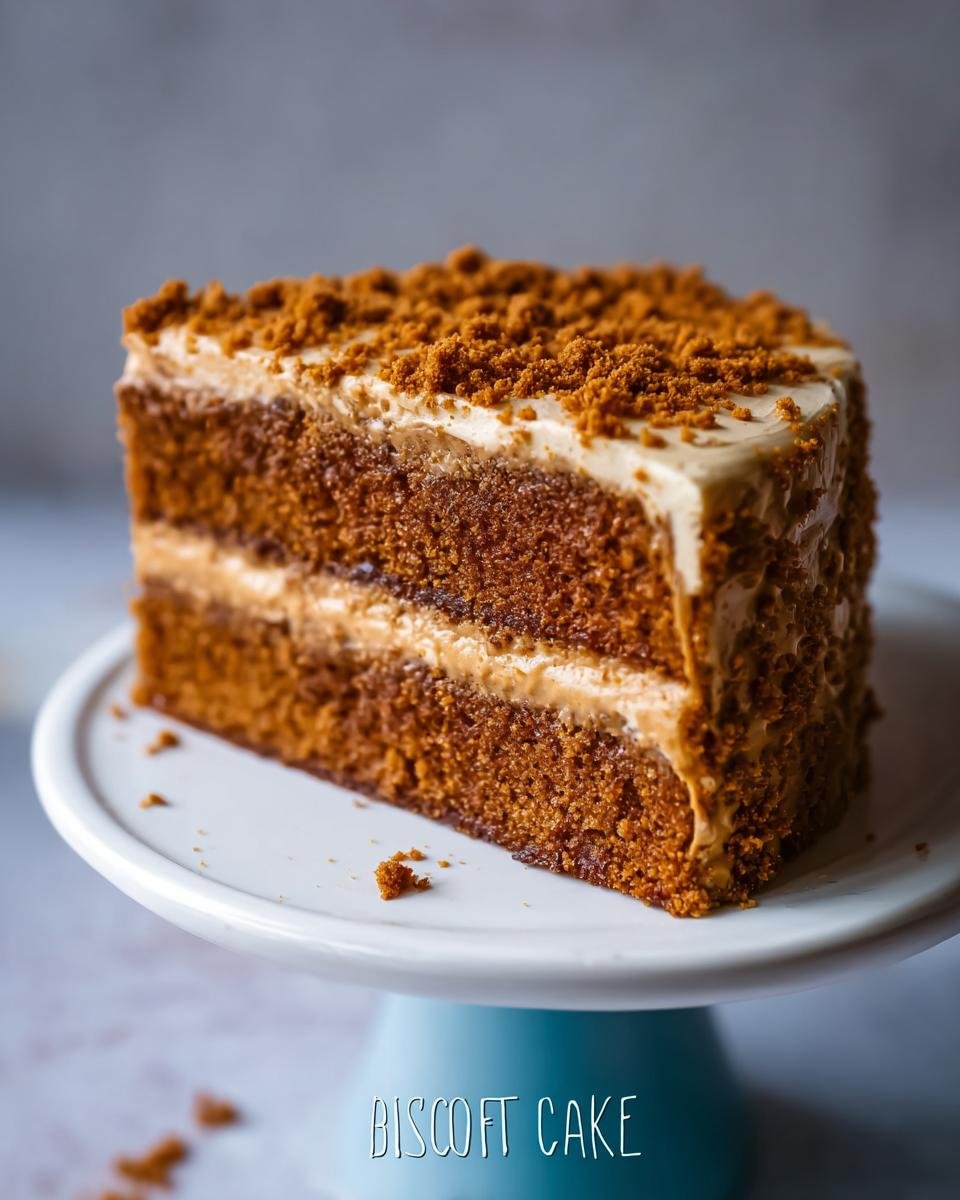
This recipe is all about bringing that cozy, cookie-butter goodness into a beautiful, homemade cake that’s perfect for any occasion. Whether it’s a birthday, a holiday, or just a Tuesday that needs a little sparkle, this Biscoff cake is the answer. Get ready to bake something truly delicious!
Why You’ll Love This Biscoff Cake: Delicious, Homemade Cake Recipe
Seriously, you’re going to adore making and eating this Biscoff cake. Here’s why:
- Super Easy to Make: Even if you’re not a seasoned baker, this recipe is totally foolproof. I promise!
- Irresistible Flavor: That warm, spiced Biscoff cookie butter taste? It’s baked right into the cake and frosting. Yum!
- Incredibly Moist Texture: It’s so tender and moist, you’ll want to eat it all. No dry cake here!
- Dreamy Biscoff Frosting: This creamy, dreamy frosting is the perfect sweet crown for our cake.
- Homemade Goodness: Nothing beats a cake made with your own two hands. It just tastes better!
Gather Your Ingredients for the Biscoff Cake
Alright, let’s get our kitchen ready for some Biscoff magic! You’ll want to have everything prepped before you start mixing. Here’s exactly what you need for both the cake and that luscious frosting:
For the Cake:
- 2 cups all-purpose flour
- 1 tsp baking soda
- 1/2 tsp salt
- 1 cup unsalted butter, nice and softened
- 1 cup granulated sugar
- 1/2 cup light brown sugar, packed down tight
- 2 large eggs, best if they’re at room temperature
- 1 tsp vanilla extract
- 1 cup buttermilk
- 1/2 cup Biscoff spread (cookie butter), warmed just a little so it’s easier to mix
For the Biscoff Buttercream Frosting:
- 1 cup unsalted butter, also softened
- 3 cups powdered sugar, make sure it’s sifted so there are no lumps
- 1/2 cup Biscoff spread (cookie butter), at room temperature please!
- 1 tsp vanilla extract
- 1-3 tbsp milk or heavy cream, we’ll use this to get the perfect frosting consistency
- 1/4 cup Biscoff cookies, crushed up for the prettiest garnish
Step-by-Step Guide to Your Homemade Biscoff Cake Recipe
Okay, ready to dive in and make this dreamy Biscoff cake? It’s really not complicated, I promise! Just follow along, and you’ll have a gorgeous, homemade cake that tastes absolutely out of this world. We’ll start with the cake itself, then whip up that glorious frosting, and finally put it all together. Easy peasy!
First things first, let’s get that oven going. Preheat it to 350°F (175°C). Then, grab your two 8-inch round cake pans. Give them a good grease and flour, and pop some parchment paper circles on the bottom. This little step makes sure your cakes come out perfectly and don’t stick, which is always a win in my book.
Now, for a little bit of baking science (the fun kind!). In a medium bowl, just whisk together your flour, baking soda, and salt. Think of this as getting all your dry ingredients ready to party. Set that aside for now. In a bigger bowl, grab your electric mixer. We’re going to cream the softened butter with both the granulated and brown sugars until it gets all light and fluffy. This usually takes about 3 minutes, and it’s super important for a tender cake!
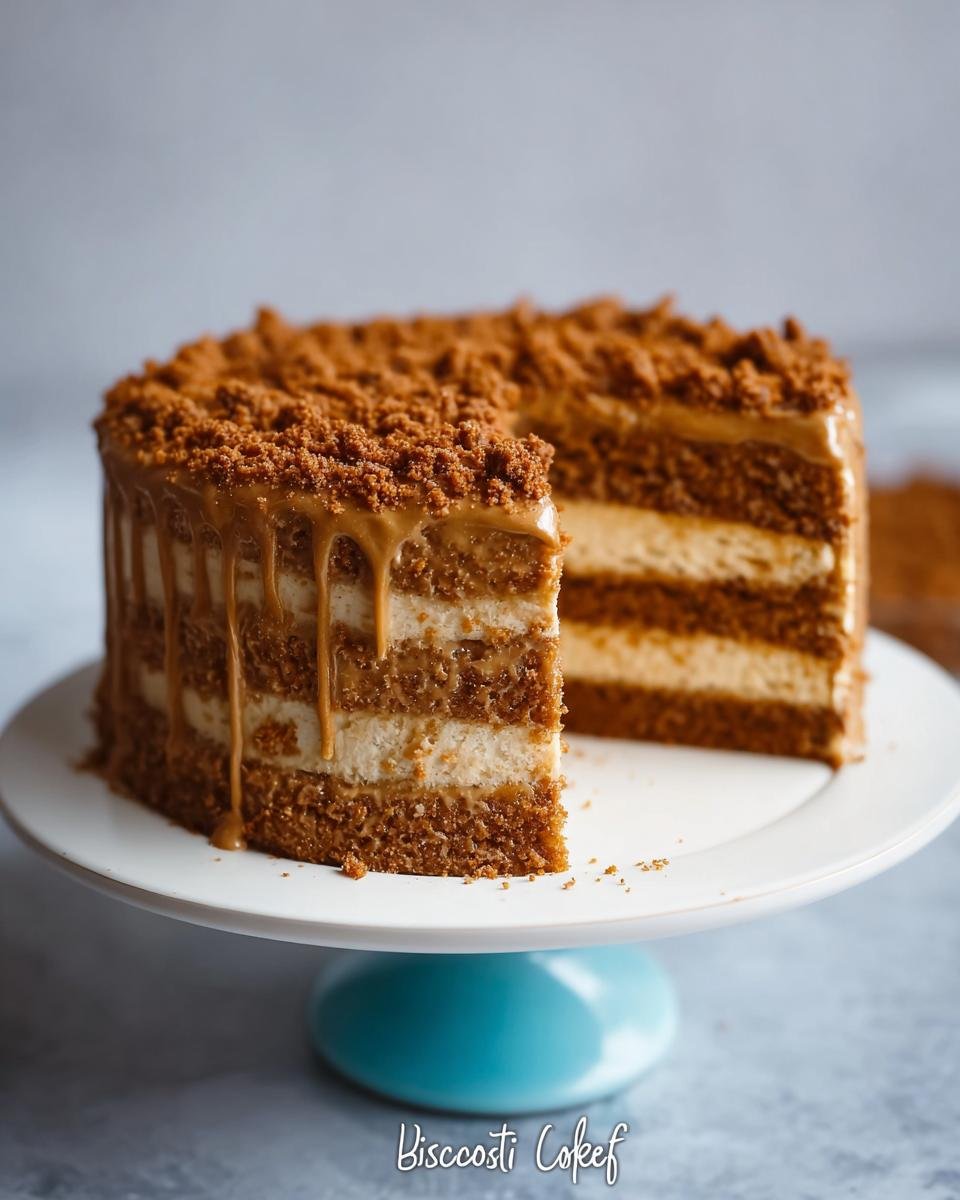
Preparing the Cake Batter
Alright, back to our creamy butter and sugar mixture. It’s time to add your eggs, but do it one at a time, making sure to mix well after each one. Then, give it a little splash of vanilla extract. Now, for the alternating part: we’ll add the dry stuff we mixed earlier and the buttermilk. Start with the dry, then some buttermilk, then dry, then buttermilk, finishing with the dry. Mix it on low speed until it *just* comes together. Seriously, don’t overmix here, or your cake might get tough!
The star of the show comes next: the Biscoff spread! Gently fold in that slightly melted Biscoff until you can’t see any more streaks. It’s like magic happening right in your bowl. Carefully divide this beautiful batter evenly between your two prepared cake pans. Try to get them as equal as you can so they bake evenly.
Baking and Cooling Your Biscoff Cake
Into the preheated oven they go! Bake for about 30 to 35 minutes. The best way to know they’re done is to stick a toothpick right in the center. If it comes out clean (or with just a few moist crumbs sticking to it, which is perfect!), they’re ready. Don’t overbake them! Let the cakes cool in their pans for about 10 minutes. This helps them firm up a bit. Then, carefully flip them out onto a wire rack to cool completely. Patience is key here – frosting a warm cake is a recipe for a melty mess!
Making the Creamy Biscoff Buttercream Frosting
While those cakes are cooling, let’s whip up that incredible frosting. In a large bowl, cream your softened butter until it’s super smooth. Then, just gradually add in your sifted powdered sugar. Start on low speed so you don’t wear half of it! Once it’s mostly incorporated, crank that mixer up to medium-high and let it get nice and fluffy. Now for the flavor boost: beat in that room-temperature Biscoff spread and the vanilla extract. If it seems a little too thick, add your milk or cream, just a tablespoon at a time, until you get a smooth, spreadable consistency that’s perfect for frosting.
Assembling and Decorating Your Biscoff Cake
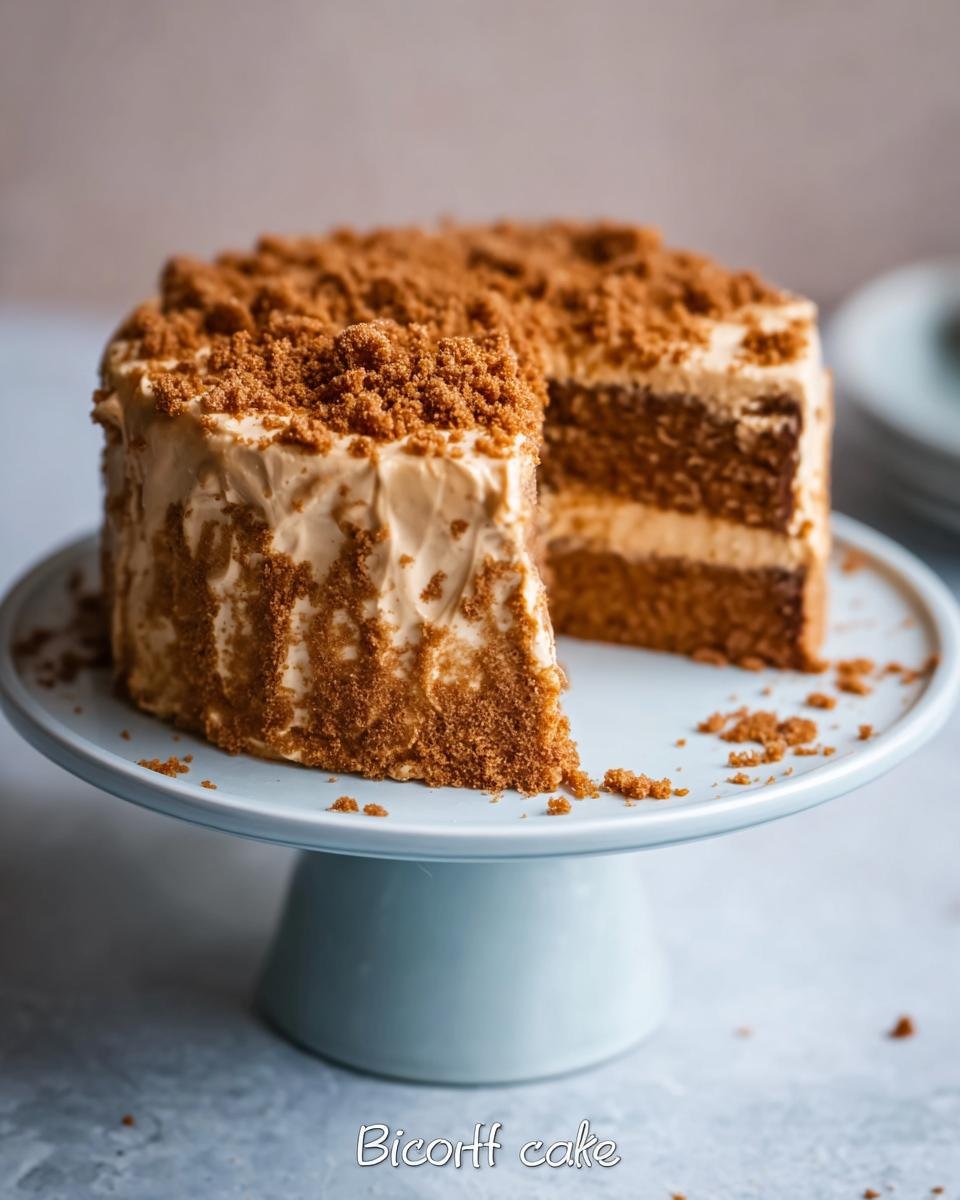
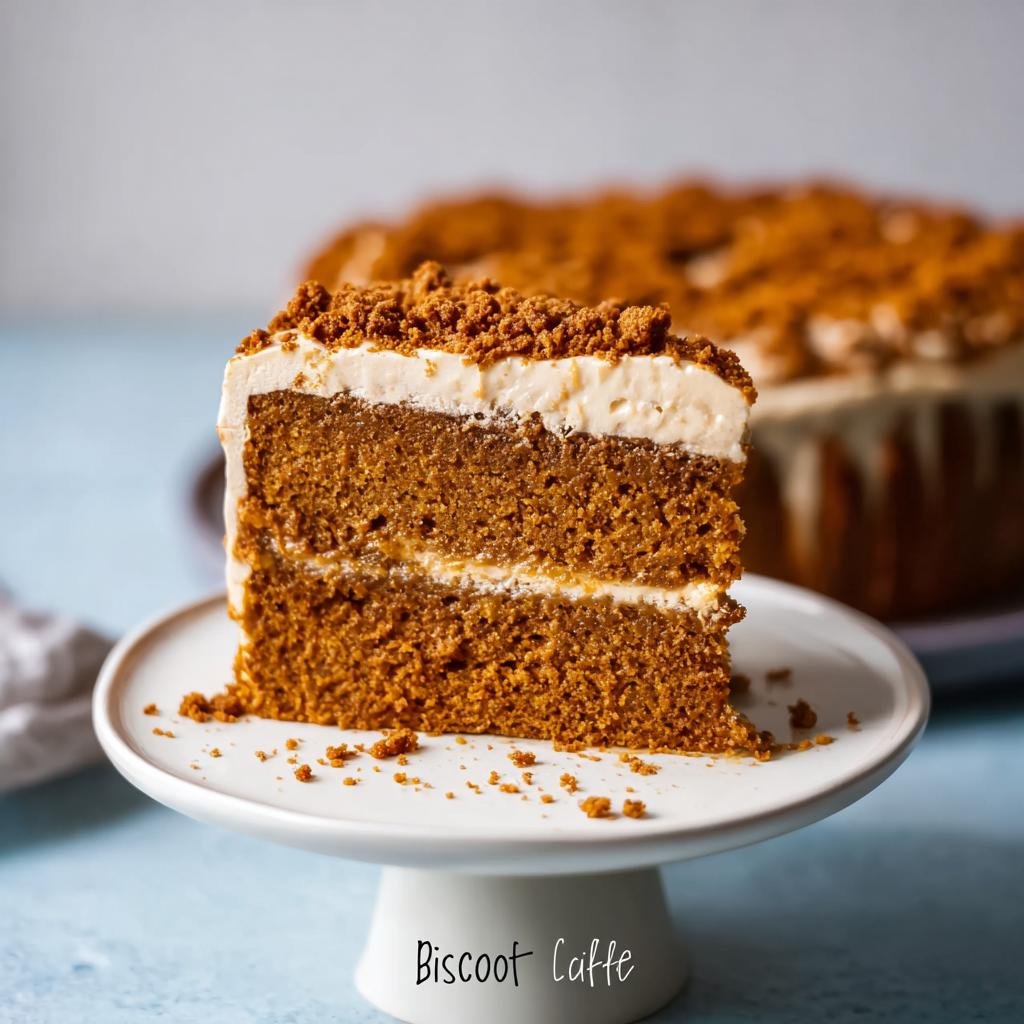
Once your cakes are totally cool (I can’t stress this enough!), place one cake layer on your serving plate. Spoon about a third of that luscious frosting over the top and spread it out evenly. Then, carefully place the second cake layer right on top. Use the rest of the frosting to cover the entire cake – the top, the sides, everywhere! Finally, sprinkle those crushed Biscoff cookies all over the top for a pretty finish. Ta-da! You’ve made a masterpiece!
If you’re looking for more amazing cake recipes, you should definitely check out my collection of cake recipes. There are so many delicious options!
Tips for the Best Biscoff Cake: Delicious, Homemade Cake Recipe
Baking should be fun, right? And I want your Biscoff cake to be absolutely perfect, so let me share a few little secrets I’ve picked up over the years that make all the difference. It’s all about the little things!
First off, ingredient temperature is HUGE. Seriously, make sure your butter and eggs are truly at room temperature. It makes such a difference when you’re creaming the butter and sugar – you get that lovely fluffy texture that’s the base of a great cake. Cold ingredients just won’t incorporate properly, and you’ll end up with a denser cake. Trust me on this one!
Also, a quick word on mixing: please, please, please don’t overmix your batter once you add the flour. That’s how you get a tough cake! Mix until it’s *just* combined. You want to develop the gluten as little as possible. It’s okay if there are still a few tiny streaks of flour here and there; they’ll disappear when you fold in the Biscoff. Gentle is the name of the game!
And about that frosting consistency? Don’t be afraid to add that milk or cream a little bit at a time when you’re making the buttercream. It’s way easier to add more than to try and fix frosting that’s too thin. If it does get a little too soft, just pop the bowl in the fridge for 10-15 minutes to firm up before you frost your beautiful cake. You can find more easy recipes that are perfect for busy bakers too!
Ingredient Notes and Substitutions for Your Biscoff Cake
Let’s chat about a couple of ingredients here, just to make sure you get the best results possible! Biscoff spread itself is pretty special, and while there isn’t a true substitute that gives you that exact spiced cookie flavor, you can get creative.
If you can’t find Biscoff spread (also called cookie butter), you could try using peanut butter for a different but still delicious flavor. Or, for a closer spiced cookie vibe, you might experiment with a speculoos paste or even a really good gingersnap cookie crushed up and mixed with a little bit of neutral oil. For the buttermilk, if you don’t have any on hand, no worries! Just put a tablespoon of lemon juice or white vinegar into a measuring cup and fill the rest with milk until you reach the 1-cup line. Let it sit for about 5 minutes, and voilà – DIY buttermilk!
Frequently Asked Questions about Biscoff Cake
Got questions about whipping up this amazing cookie butter cake? I’ve got answers!
How do I store leftover Biscoff cake?
Keep your leftover Biscoff cake fresh by storing it in an airtight container at room temperature for up to 3 days. If your kitchen is super warm, or if it’s been a few days, popping it in the fridge is a good idea. Just let it come back to room temp for about 20 minutes before serving for the best texture.
Can I make this Biscoff cake recipe ahead of time?
Absolutely! The cake layers themselves can be baked a day in advance and stored at room temperature, wrapped well. The frosting can also be made a day ahead and stored in the fridge. Just let it soften up and give it a quick whip before frosting the cooled cake. It’s a great way to break up the baking process!
What if I can’t find Biscoff spread? What else can I use?
While Biscoff spread (or cookie butter!) gives this cake its signature flavor, you can improvise. Peanut butter is a delicious alternative for a different vibe. If you want that spiced cookie flavor, you could try crushing speculoos cookies really finely and mixing them with a neutral oil to create a paste, or even using a good quality gingersnap cookie butter if you can find it. It won’t be exactly the same, but it’ll still be tasty!
How do I get a perfectly smooth Biscoff frosting?
The key to smooth frosting is making sure your butter and Biscoff spread are at room temperature, not cold. Also, sifting your powdered sugar is a game-changer – it removes any lumps before you even start mixing. If your frosting seems too stiff after mixing, just add a tablespoon of milk or cream at a time until it’s perfectly spreadable. If it gets too soft, a quick chill in the fridge will do the trick!
Nutritional Information for This Biscoff Cake
So, how much goodness are we talking about per slice? While I’m not a registered nutritionist, here’s a rough estimate for one serving of this dreamy Biscoff cake. Keep in mind these numbers can change a bit depending on the exact brands and ingredients you use, but it gives you a good idea! For more on healthy eating, check out my diet and nutrition tips.
Estimated Nutrition Per Serving:
- Calories: 450
- Fat: 20g
- Saturated Fat: 10g
- Cholesterol: 75mg
- Sodium: 300mg
- Carbohydrates: 65g
- Sugar: 45g
- Protein: 5g
- Fiber: 1g
Share Your Biscoff Cake Creations!
Okay, now it’s your turn to get baking! I absolutely can’t wait to see your gorgeous homemade Biscoff cakes. When you make this, please drop a comment down below and let me know what you think. Seriously, hearing from you makes my entire day! And if you share photos on social media, please tag me – I’d love to see your beautiful creations!
Homemade Biscoff Cake
Ingredients
Equipment
Method
- Preheat your oven to 350°F (175°C). Grease and flour two 8-inch round cake pans. Line the bottoms with parchment paper.
- In a medium bowl, whisk together the flour, baking soda, and salt. Set this dry mixture aside.
- In a large bowl, use an electric mixer to cream the softened butter, granulated sugar, and brown sugar until light and fluffy, about 3 minutes.
- Beat in the eggs one at a time, mixing well after each addition. Mix in the vanilla extract.
- Alternate adding the dry ingredients and the buttermilk to the wet ingredients, beginning and ending with the dry ingredients. Mix on low speed until just combined. Do not overmix.
- Gently fold in the melted Biscoff spread until streaks disappear. Divide the batter evenly between the prepared cake pans.
- Bake for 30 to 35 minutes, or until a toothpick inserted into the center comes out clean. Let the cakes cool in the pans for 10 minutes before inverting them onto a wire rack to cool completely.
- To make the frosting, beat the softened butter in a large bowl until smooth. Gradually add the sifted powdered sugar, mixing on low speed until incorporated, then increase the speed to medium-high.
- Beat in the Biscoff spread and vanilla extract. Add milk or cream one tablespoon at a time until you reach a smooth, spreadable consistency.
- Once the cakes are completely cool, place one layer on a serving plate. Spread about one-third of the frosting over the top. Place the second layer on top and frost the top and sides of the entire cake.
- Garnish the top of the cake with crushed Biscoff cookies before serving.