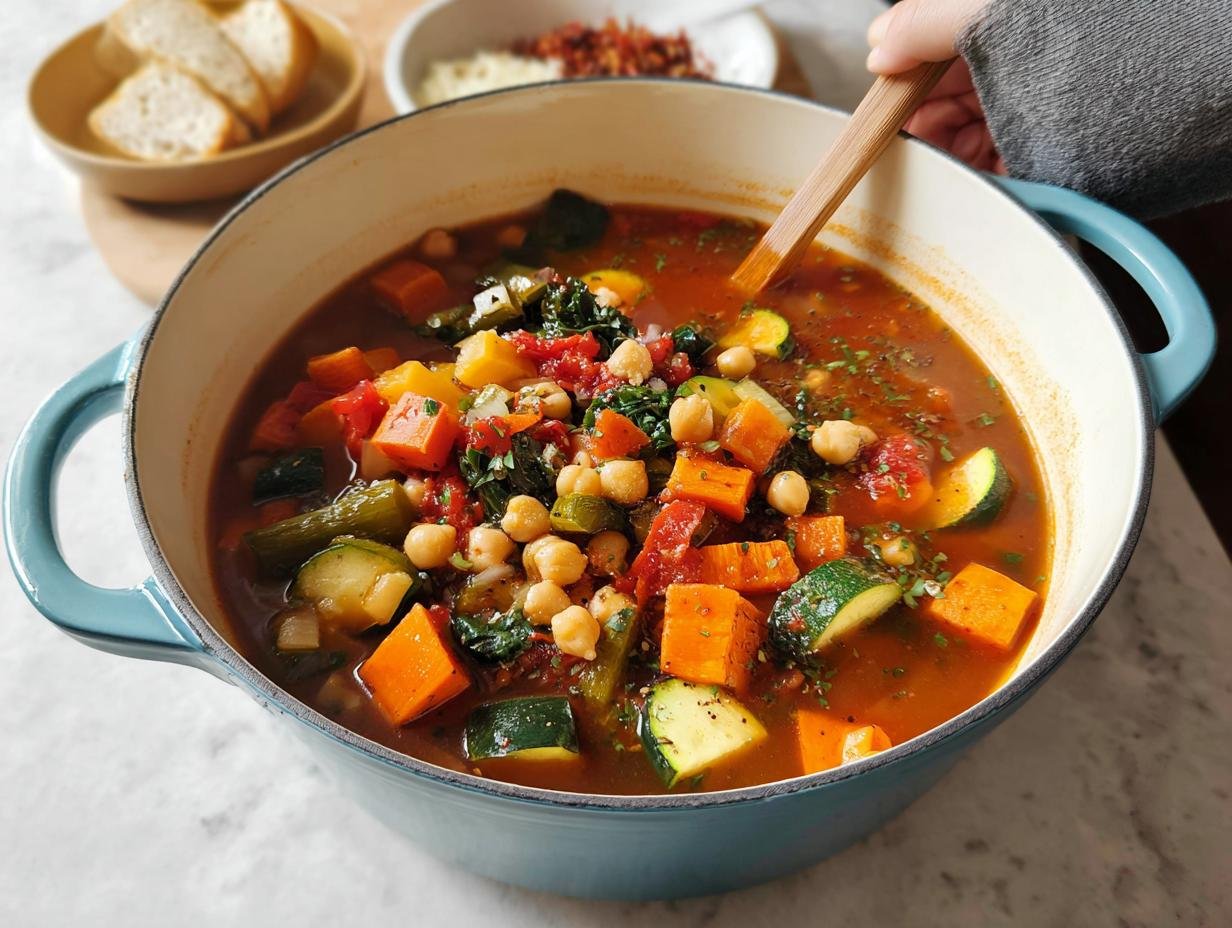
Oh, when those winter chills really start biting, there’s nothing—and I mean nothing—that warms the soul quite like a massive bowl of steaming soup, right?
Forget those complicated, fussy dishes. What I have for you today is my absolute go-to when I need real comfort food that doesn’t leave me feeling heavy. This recipe is proof that you absolutely can make incredibly satisfying meals relying only on whole, flavorful vegetables.
I started making this years ago because I needed something fast after long days, and it quickly became the cornerstone of my Healthy Winter Soup Ideas rotation. It’s so simple, requires next to no fancy technique, but I promise the flavor payoff is huge. We’re talking fresh ingredients doing all the heavy lifting here!
If you want easy, budget-friendly eating that sticks to your ribs, stick around. You can check out some of my other favorites when you need more winter warming inspiration right here: my best winter vegetable recipes.
Gathering Ingredients for Your Healthy Winter Soup Ideas
When we talk about making truly great soup, you have to start with great components, especially when you’re keeping things healthy! Don’t even think about using veggies that look sad; we want them vibrant so they give us that maximum flavor boost.
This recipe keeps the ingredient list down, but every single item plays an important role. You’ll want to make sure you grab these things:
- 2 tablespoons of extra-virgin olive oil—the good stuff, please!
- 1 medium yellow onion, diced (takes about five minutes, but worth it).
- 1 teaspoon sea salt, plus more later because tasting is key.
- Freshly ground black pepper for a little kick.
- 1 medium carrot, diced small.
- 1 small sweet potato, diced—this adds such a lovely sweetness and body.
- 1 can (14.5-ounce) of fire-roasted diced tomatoes. Don’t drain these!
- 4 garlic cloves, chopped finely.
- 2 teaspoons dried oregano (but if you have fresh thyme, use that instead, trust me!).
- 1/4 teaspoon red pepper flakes, just enough to warm things up.
- 4 cups of vegetable broth. Low-sodium is always my advice.
- 2 bay leaves—never skip these!
- 1 cup halved cherry tomatoes.
- 1 cup chopped green beans.
- 1 zucchini, diced.
- 1 can (15-ounce) chickpeas, make sure they are drained and rinsed well.
- 2 tablespoons white wine vinegar. This is our secret brightener!
- 1.5 cups chopped kale.
Getting all your fresh vegetables prepped first is the real key to making this come together quickly. You can see why this falls right under Healthy Winter Soup Ideas, right? It’s pure goodness in a pot!
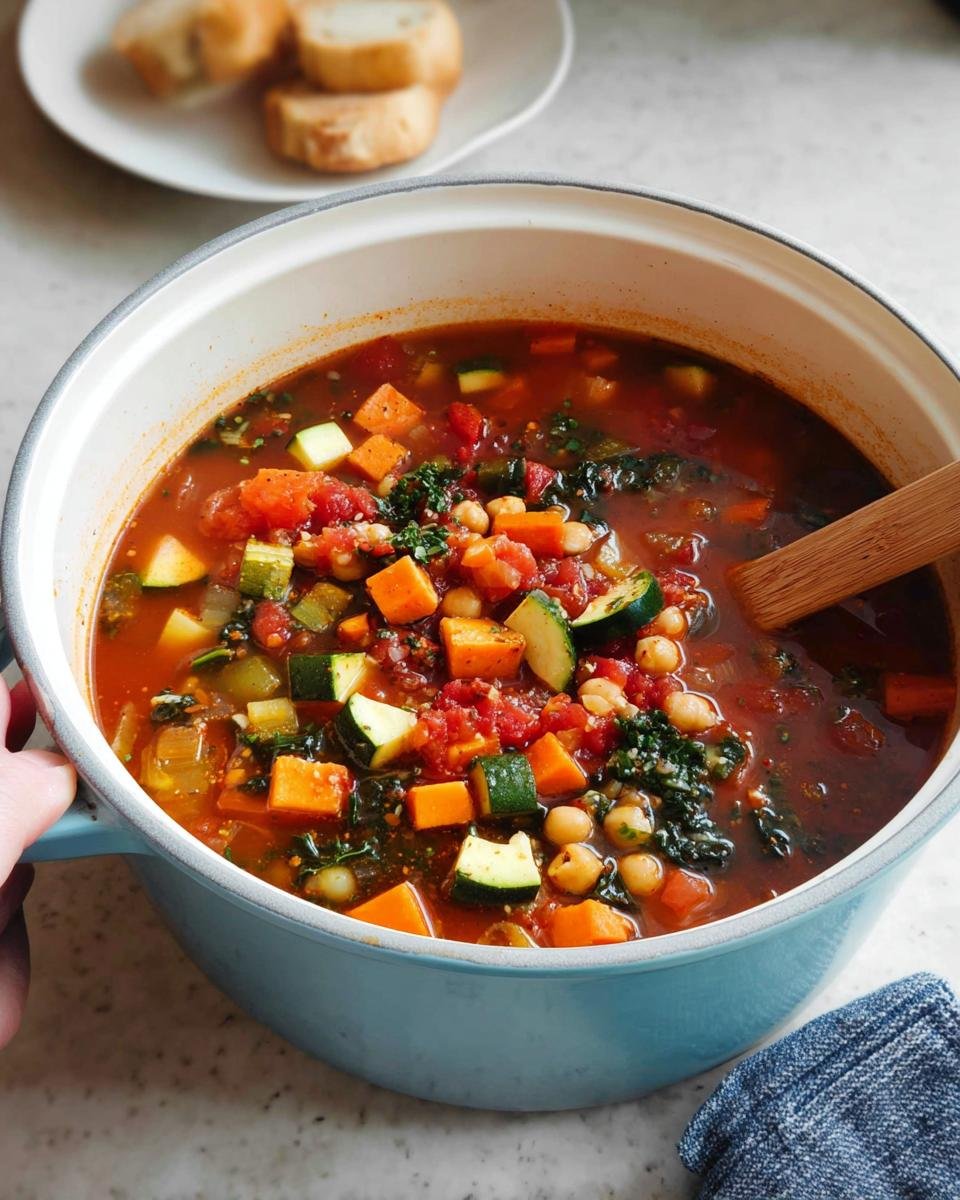
If you want to see how I tackle simple, quick vegetable soups like this one for weeknights, you should take a peek at my guide to quick healthy soups.
Step-by-Step Instructions for Healthy Winter Soup Ideas
Listen, cooking soup should feel like wrapping yourself in a cozy blanket, not performing complicated science! These steps are broken down so simply that even if you’re having a chaotic day, you can nail this soup every single time. We let the low and slow heat do most of the hard work building flavor.
Don’t forget, if you’re looking for another hearty but simple soup recipe, my take on that famous Olive Garden Minestrone is always a winner. You can find it right here!
Sautéing Aromatics and Harder Vegetables
First things first, get your large pot warmed up over medium heat and gently pour in your 2 tablespoons of olive oil. Once that shimmers just a bit, toss in your diced medium yellow onion along with the sea salt and a good grind of black pepper. You need to cook this, stirring now and then, for a full 8 minutes until those onions are soft and translucent—don’t rush this smell, it’s the start of everything good!
Next, add your diced carrot and sweet potato. Give everything a good stir and let those harder roots happily cook down for 2 more minutes before moving on. They need a little head start!
Building the Broth Base for Healthy Winter Soup Ideas
Now it’s time to layer in the big flavor hitters! Add in your canned fire-roasted diced tomatoes (juice and all!), your chopped garlic, the dried oregano, and those red pepper flakes for a gentle warmth. Stir that all around for about a minute so the garlic wakes up.
Then, pour in the 4 cups of vegetable broth and drop in those two bay leaves. Crank the heat up until the whole pot is bubbling really nicely—that’s your boil! Once you hit the boil, immediately drop the heat down low, cover it up, and let it happily simmer for 20 minutes. This is where the veggies start releasing all their lovely starches and sweetness into the broth.
Adding Softer Vegetables and Final Touches
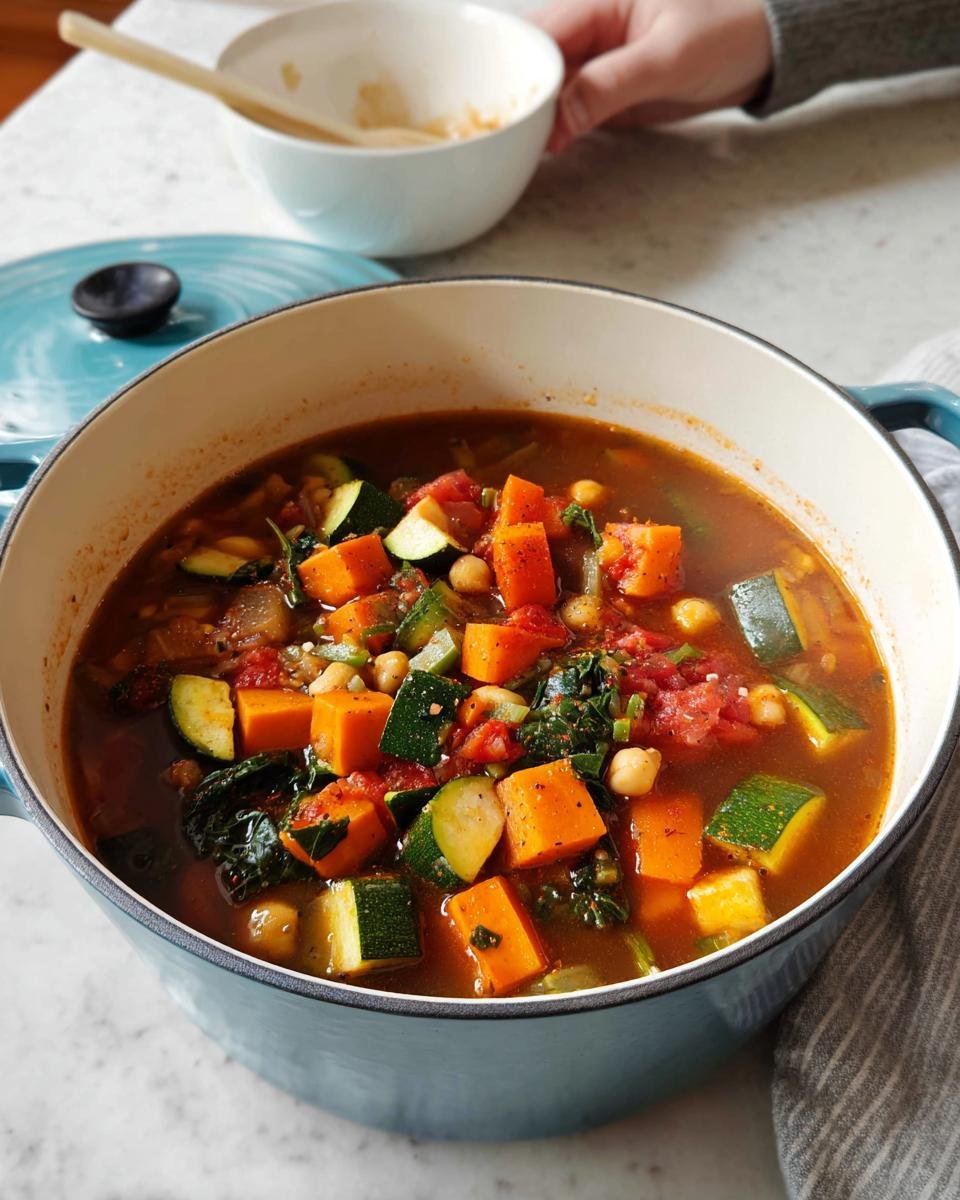
After that initial simmer, take the lid off! Toss in the cherry tomatoes, the green beans, the diced zucchini, and those rinsed chickpeas. Give it a stir, put the lid back on, and let it gently cook for just 10 to 15 more minutes until those green beans are tender but still have a little bit of snap left in them.
For the grand finale, stir in the white wine vinegar—this wakes up the whole soup, trust me! Then, throw in your chopped kale. Cover it one last time and let it cook for just 5 minutes total until the kale has barely wilted. Pull those bay leaves out, taste it all over, and add any extra salt or pepper you think it wants. That’s it! Serve it piping hot.
Expert Tips for Perfecting Your Healthy Winter Soup Ideas
You’ve mastered the basic steps, which is fantastic, but let me share a few things I learned over the years making countless batches of this soup. These small tweaks elevate it from good to absolutely incredible, making it a true star in my collection of Healthy Winter Soup Ideas.
Tip number one is about that vinegar. The white wine vinegar *has* to go in at the very end. If you add it too early, it dulls the brightness of the vegetables during the long simmer. Adding it right before serving acts like a squeeze of fresh lemon on fish—it pops everything back to life!
My other big secret is the herbs. The recipe calls for dried oregano, which is great for quick cooking, but if you happen to have fresh thyme or rosemary, use it! When I do this, I bruise the fresh herb sprigs a little between my palms before dropping them in with the broth. It sounds small, but that little burst of fresh, crushed aroma makes everyone ask what I did differently that day. If you love that herb-heavy, rustic feel, you absolutely have to try my favorite white bean soup recipe; it thrives on strong herbs!
Ingredient Substitutions for This Healthy Winter Soup Ideas Recipe
One of the greatest things about a simple vegetable soup is how flexible it is. You might be missing something called for—oops!—or maybe you just don’t like one particular vegetable. No problem at all! We’re just going for a hearty, warming bowl here, so we can definitely improvise.
The broth is the foundation, so let’s talk about that first. I always recommend low-sodium vegetable broth because then *I* control how salty the soup gets at the end. But if the absolute best you have is regular broth, just hold off on adding any extra salt until the very last step. If you happen to have homemade stock lying around, use it! It adds so much depth that you wouldn’t believe.
Swapping Out Greens for Kale
Kale is usually great because it holds up well to simmering, but if you’re not a fan, you have a couple of easy swaps. Spinach is the quickest change; just toss it in right at the end, maybe even after you turn the heat off, because it wilts in about 30 seconds. If you want something heartier that tastes slightly different, Swiss chard works perfectly here too. Just remember to chop the stems small since they take longer to soften than the leaves!
Herb Alternatives for Oregano
That dried oregano really adds that traditional, earthy backbone to the broth base. If you don’t have it, feel free to use dried basil or a mixed Italian seasoning blend. I’ve even stirred in a little dried marjoram when I ran out of oregano, and nobody noticed the difference. Just maybe stick to dried herbs here since you’re adding them early on with the tomatoes before the long simmer begins.
Adding Different Veggies or Protein
Feel free to bulk this up! If you have leftover cooked quinoa or some white rice, stir a cup in during the last 10 minutes of cooking—it’ll thicken things up nicely. If you want hearty protein instead of chickpeas, cannellini beans are wonderful, or even small pasta shapes like ditalini work great. If you grab my vegetarian chili guide, you can see how I swap beans around in other recipes—the same principles apply here for a really filling bowl!
Serving Suggestions for Healthy Winter Soup Ideas
So, you’ve got your massive, steaming bowl of wholesome goodness ready to go! That’s fantastic. Honestly, this vegetable soup is substantial enough to be a full meal all on its own, especially with those chickpeas adding protein and substance. But why stop at good when you can have great?
When I serve up my batch of Healthy Winter Soup Ideas, I always like to have a few simple things on the side to really round out the cozy winter vibe. You want textures that contrast nicely with the soft warmth of the soup, nothing too heavy that fights the vegetable star of the show.
Crusty Bread for Dipping
Okay, this is non-negotiable for me. You absolutely need something sturdy to scoop up every last drop of that flavorful tomato-herb broth. Forget flimsy crackers; we need bread that can stand up to dipping!
A really good, crusty sourdough is heaven dipped right in. But if you want something exceptionally homemade to go with it, seriously consider whipping up a batch of garlic bread or even a simple focaccia. I have an amazing recipe for Garlic Parmesan Focaccia that takes just a little effort and makes the soup feel like a five-star restaurant meal. The subtle hint of garlic clinging to the bread is just divine against the sweet potato and kale.
A Light, Bright Side Salad
Since this soup is so hearty and savory, sometimes you just need a little something acidic and crisp to cut through the richness. A tiny side salad is the perfect companion. Don’t make it complicated!
I usually toss some mixed greens with a very light vinaigrette—maybe just olive oil, Dijon mustard, and a splash of red wine vinegar. You want something that cleanses the palate between spoonfuls. Nothing creamy or heavy, just crisp lettuce and maybe a few thin slices of cucumber. It adds that necessary fresh element for a perfectly balanced meal.
Finishing Touches Right in the Bowl
Even if you serve it plain, finishing the soup itself makes a huge difference. Before bringing the bowl to the table, sprinkle a tiny drizzle of high-quality olive oil right over the top. It catches the light and adds a little fruity note.
Also, more fresh pepper never hurts! And if you have some fresh parsley or basil handy (even if you used dried earlier), chop a tablespoon finely and sprinkle it over the top right before serving. It brings an immediate pop of color and freshness that makes these Healthy Winter Soup Ideas look and taste like you spent all day on them!
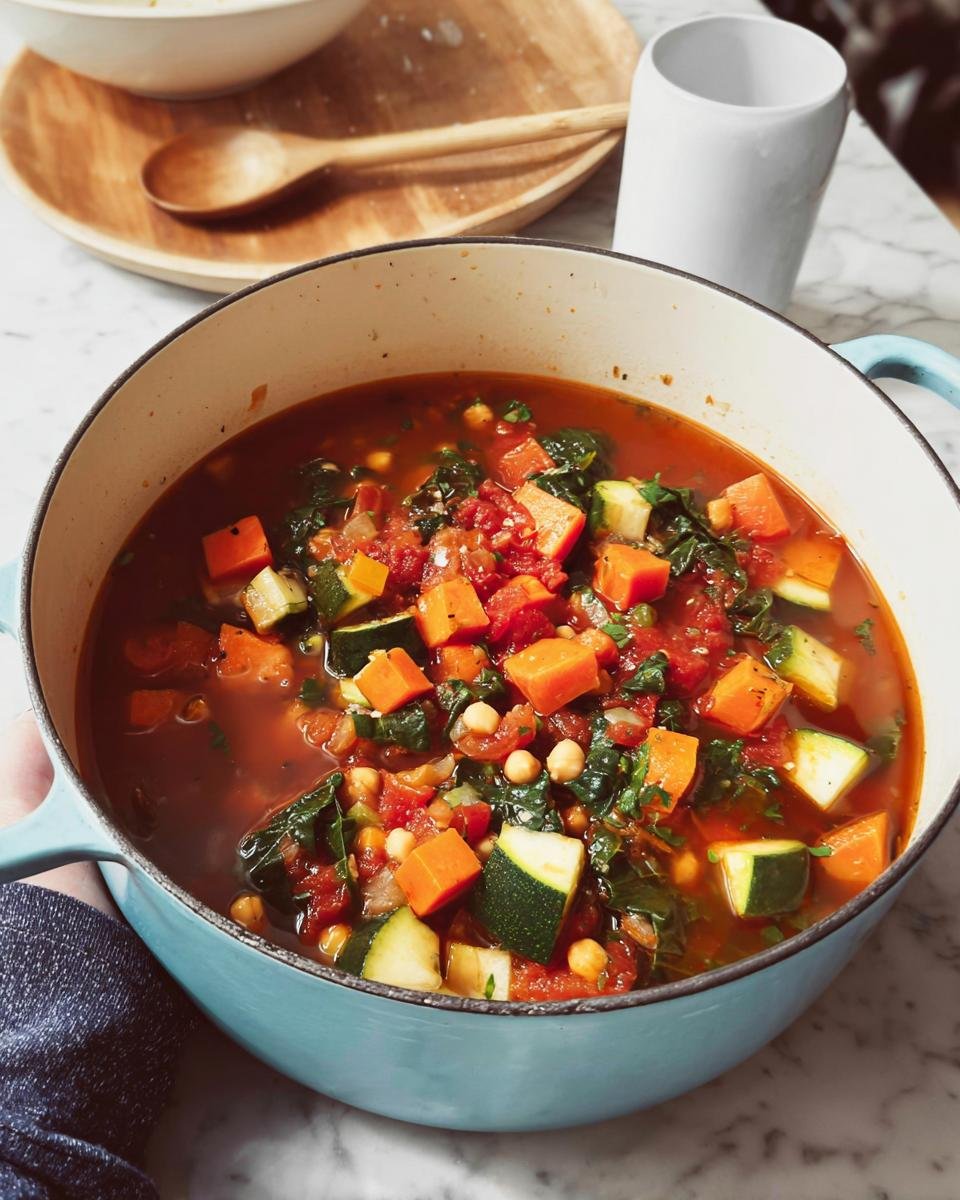
Storage and Reheating Instructions for Healthy Winter Soup Ideas
Now for the best part of any great recipe: knowing you have delicious leftovers waiting for you tomorrow! This soup is fantastic as a make-ahead meal, which is why it remains a favorite when I’m planning my Healthy Winter Soup Ideas for the week. It holds up beautifully, but you do need to treat the softer vegetables right when it comes to storage.
Because we packed this full of zucchini, tomatoes, and kale, we have to be smart about freezing. I always tell people that while this soup freezes safely, the texture of those softer veggies often turns a bit mushy once thawed. If you plan to freeze it, I suggest leaving the kale and cherry tomatoes out of the batch you intend to freeze—add those fresh when you reheat the frozen portion later.
Refrigerating Your Leftovers Safely
For the main batch you plan to eat over the next few days, grab an airtight container. You want to let the soup cool down on the counter for a little while—don’t put a giant pot of piping hot liquid straight into the fridge, as that can mess with the temperature of everything else in there! Once it’s just warm, seal it up tightly.
You should easily get 4 to 5 days of delicious soup eating out of the fridge with this. The flavors actually deepen overnight, which is just a bonus! If you want to see how other hearty, flavorful soups like my wild rice recipe store, you can check out my tips on storing and keeping soups fresh.
The Best Way to Reheat for Maximum Flavor
When it’s time to eat your leftovers, the stovetop is hands-down the superior method. Transfer the amount you want into a saucepan over medium-low heat. You need to reheat it gently and slowly.
Stir every couple of minutes to make sure the bottom isn’t scorching, especially since the sweet potato can settle down there. Give it a little splash of water or maybe even some extra broth if it seems too thick after refrigeration. It should only take about 8 to 10 minutes to get it steaming hot again.
I generally avoid the microwave for this one, especially if you like the slight texture of the zucchini. Microwaving heats unevenly, and you might end up with hot spots right next to cold spots. Slow and steady on the stove ensures every spoonful of your Healthy Winter Soup Ideas is perfect.
Fixing Thickness After Storing
Sometimes, after cooling and reheating, vegetable soups can thicken up more than you intended because of the starches released by the sweet potato and chickpeas. Don’t panic, this is so easily fixed!
If it looks more like stew than soup when you reheat it, just grab your leftover vegetable broth—or even just plain water if you’re out of broth—and stir it in, a quarter cup at a time, until you reach that perfect, comforting liquid consistency you love. Remember, you taste it *after* you thin it out, and then adjust salt and pepper one final time. It’s so simple!
Equipment Needed for Your Healthy Winter Soup Ideas
You don’t need a fancy chef’s kitchen for this recipe to shine, which is part of the beauty of coming up with great Healthy Winter Soup Ideas that are truly accessible. Seriously, the ingredient list is long, but the tools list is blissfully short! I only have one must-have item listed, but I always sneak in a few others that just make the prep work smoother.
The bare minimum requirement, according to my notes, is the vessel where all the magic happens:
- A large pot—and I mean large! You need room to sauté those onions without making a mess, and then space for all 4 cups of broth plus all those lovely vegetables to swim happily together as they simmer. If you don’t have a heavy-bottomed pot, it’s not the end of the world, but it certainly helps keep the simmering even.
Essential Prep Tools I Always Use
While the recipe technically only calls for the pot, being organized beforehand makes the 15 minutes of prep time fly by. If you’re chopping up all those carrots, potatoes, and onions, you’re going to want these items handy:
First, obviously, you need a sturdy cutting board. Make sure it’s big enough that you aren’t constantly nudging carrots onto the countertop. Invest in a decent sharp kitchen knife, too! Seriously, a sharp knife is safer than a dull one because it cuts where you tell it to cut.
For measuring out that olive oil and those seasonings, grab your standard set of measuring spoons. And when it comes to adding those herbs or spices, I always keep a small little prep bowl nearby for my salt and pepper mix, or for crushing those garlic cloves before tossing them in. It keeps the main counter clean!
Finally, when it’s time to serve? A good ladle is crucial for getting a perfect portion into your bowls without dripping soup all down the side of the pot. It just makes the serving process so much tidier!
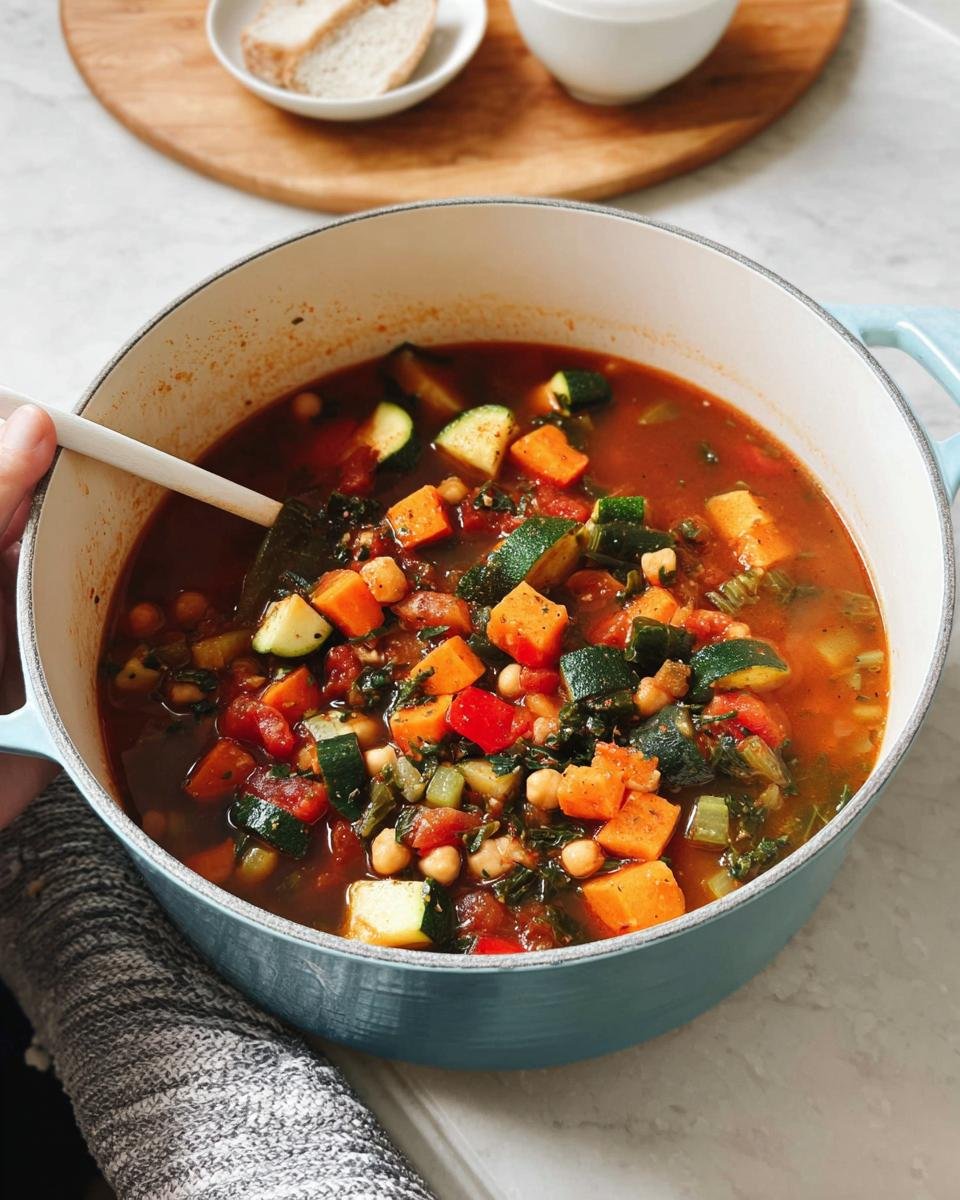
Frequently Asked Questions About Healthy Winter Soup Ideas
I know you’re probably excited to get this soup on the stove, but I always find people have a few last-minute questions about ramping up flavor or making tweaks before they dive in! This recipe for Healthy Winter Soup Ideas is so flexible, but here are some common worries I hear from you all.
Can I make this soup thicker without using flour or cornstarch?
That’s a great question! Since this recipe relies on vegetables for body, it tends to stay a lighter broth consistency, which I love, but I totally get wanting something heartier, especially in the dead of winter. You have two super easy options here, and neither involves turning it into a traditional thick stew!
First, after you take the bay leaves out, carefully scoop about 1.5 cups of the liquid and the sweet potato/chickpeas right out of the pot and put it into a blender. Give it a quick whirl until it’s smooth, and then pour that pureed mixture right back into the pot. It adds starchiness and body without any extra flour. It works like a charm!
Alternatively, if you have some cooked grains lying around, like leftover brown rice or even quinoa, stir in about a cup during the last 10 minutes of cooking. That will absorb some of the liquid and give you a much more substantial experience. If you’re looking for other recipes that focus on satiety and high protein without using lots of carbs, check out my tips on making high-protein, low-carb soups!
How can I boost the protein content if I want a fuller meal?
This soup is already rocking some great plant-based protein from those chickpeas, but if you’re feeding hungry people or just want something that keeps you full until dinner, you have a couple of really delicious ways to enhance it!
The first and easiest way is to simply double the amount of chickpeas! If you use two cans instead of one, you notice a big difference in how filling the bowl is. You could also stir in some white beans, like cannellini beans, along with the chickpeas. They blend right in and add a creamy texture.
If you’re not steering strictly vegetarian, a shredded rotisserie chicken is absolutely heaven stirred in right at the very end. It shreds nicely and warms right up in the residual heat of the soup. If you add cooked meat, make sure you only let it simmer for about 5 minutes just to heat through so it stays tender!
Is this truly a vegan recipe as written?
Yes, it absolutely is! I specifically built this recipe to avoid any animal products, making it one of my favorite go-to vegan bowls for chilly evenings. I made sure we relied on olive oil instead of butter, and we are using vegetable broth instead of chicken broth. Everything you see here—the oil, the veggies, the vinegar, the chickpeas—is completely plant-based.
The only ingredient I ever have to pause over is the vegetable broth, just to make sure you grab one that doesn’t sneak in any non-vegan flavorings, but honestly, most major brands are perfectly fine these days. It’s a fantastic, wholesome option when you’re counting on your Healthy Winter Soup Ideas to be completely meat-free and wholesome!
Can I use dried herbs instead of fresh thyme/rosemary substitutes?
Definitely! While I love the flavor explosion you get when you crush fresh herbs, dried herbs are what make an easy weeknight soup recipe actually easy, right? The recipe calls for 2 teaspoons of dried oregano, and that’s what you should stick to if that’s all you have on hand.
If you were planning to use the fresh thyme or rosemary that I mentioned as an alternative, the general rule of thumb is that dried herbs are stronger than fresh herbs. You only need about one-third the amount of dried herbs compared to fresh herbs. So, if the idea of crushing fresh herbs sounds like too much work, just stick to that 2 teaspoons of dried oregano, or use 1 teaspoon of dried rosemary instead. Just remember to add the dried herbs early on with the garlic so they have time to rehydrate and release their oils into the broth base!
Nutritional Snapshot of This Vegetable Soup
When you’re putting together those Healthy Winter Soup Ideas, it’s always smart to have a basic idea of what you’re putting into your body, right? Because this soup relies so heavily on fresh vegetables and legumes, it’s naturally low in fat and really high in fiber and vitamins. You’re loading up on goodness!
Please remember, since ingredient brands vary (especially broth and oil quantities), these numbers are just a general estimate for one serving—which is one nice, big bowl, or 1/6th of the whole pot.
- Calories: Approximately 220–250 kcal
- Fat: Roughly 8g (mostly healthy fats from the olive oil)
- Protein: About 9g (mostly thanks to those chickpeas!)
- Carbohydrates: Around 35g (mostly complex carbs from the sweet potato and veggies)
- Fiber: A whopping 8g+!
It’s a wonderfully balanced meal that gives you energy without dragging you down. If you’re interested in seeing more recipes that meet this kind of balanced profile, you can explore my collection of healthy eating tips categorized under Diet & Nutrition.
Storage and Reheating Instructions for Healthy Winter Soup Ideas
Now for the best part of any great recipe: knowing you have delicious leftovers waiting for you tomorrow! This soup is fantastic as a make-ahead meal, which is why it remains a favorite when I’m planning my Healthy Winter Soup Ideas for the week. It holds up beautifully, but you do need to treat the softer vegetables right when it comes to storage.
Because we packed this full of zucchini, tomatoes, and kale, we have to be smart about freezing. I always tell people that while this soup freezes safely, the texture of those softer veggies often turns a bit mushy once thawed. If you plan to freeze it, I suggest leaving the kale and cherry tomatoes out of the batch you intend to freeze—add those fresh when you reheat the frozen portion later.
Refrigerating Your Leftovers Safely
For the main batch you plan to eat over the next few days, grab an airtight container. You want to let the soup cool down on the counter for a little while—don’t put a giant pot of piping hot liquid straight into the fridge, as that can mess with the temperature of everything else in there! Once it’s just warm, seal it up tightly.
You should easily get 4 to 5 days of delicious soup eating out of the fridge with this. The flavors actually deepen overnight, which is just a bonus! If you want to see how other hearty, flavorful soups like my wild rice recipe store, you can check out my tips on storing and keeping soups fresh.
The Best Way to Reheat for Maximum Flavor
When it’s time to eat your leftovers, the stovetop is hands-down the superior method. Transfer the amount you want into a saucepan over medium-low heat. You need to reheat it gently and slowly.
Stir every couple of minutes to make sure the bottom isn’t scorching, especially since the sweet potato can settle down there. Give it a little splash of water or maybe even some extra broth if it seems too thick after refrigeration. It should only take about 8 to 10 minutes to get it steaming hot again.
I generally avoid the microwave for this one, especially if you like the slight texture of the zucchini. Microwaving heats unevenly, and you might end up with hot spots right next to cold spots. Slow and steady on the stove ensures every spoonful of your Healthy Winter Soup Ideas is perfect.
Fixing Thickness After Storing
Sometimes, after cooling and reheating, vegetable soups can thicken up more than you intended because of the starches released by the sweet potato and chickpeas. Don’t panic, this is so easily fixed!
If it looks more like stew than soup when you reheat it, just grab your leftover vegetable broth—or even just plain water if you’re out of broth—and stir it in, a quarter cup at a time, until you reach that perfect, comforting liquid consistency you love. Remember, you taste it *after* you thin it out, and then adjust salt and pepper one final time. It’s so simple!
Equipment Needed for Your Healthy Winter Soup Ideas
You don’t need a fancy chef’s kitchen for this recipe to shine, which is part of the beauty of coming up with great Healthy Winter Soup Ideas that are truly accessible. Seriously, the ingredient list is long, but the tools list is blissfully short! I only have one must-have item listed, but I always sneak in a few others that just make the prep work smoother.
The bare minimum requirement, according to my notes, is the vessel where all the magic happens:
- A large pot—and I mean large! You need room to sauté those onions without making a mess, and then space for all 4 cups of broth plus all those lovely vegetables to swim happily together as they simmer. If you don’t have a heavy-bottomed pot, it’s not the end of the world, but it certainly helps keep the simmering even.
Essential Prep Tools I Always Use
While the recipe technically only calls for the pot, being organized beforehand makes the 15 minutes of prep time fly by. If you’re chopping up all those carrots, potatoes, and onions, you’re going to want these items handy:
First, obviously, you need a sturdy cutting board. Make sure it’s big enough that you aren’t constantly nudging carrots onto the countertop. Invest in a decent sharp kitchen knife, too! Seriously, a sharp knife is safer than a dull one because it cuts where you tell it to cut.
For measuring out that olive oil and those seasonings, grab your standard set of measuring spoons. And when it comes to adding those herbs or spices, I always keep a small little prep bowl nearby for my salt and pepper mix, or for crushing those garlic cloves before tossing them in. It keeps the main counter clean!
Finally, when it’s time to serve? A good ladle is crucial for getting a perfect portion into your bowls without dripping soup all down the side of the pot. It just makes the serving process so much tidier!
Frequently Asked Questions About Healthy Winter Soup Ideas
I know you’re probably excited to get this soup on the stove, but I always find people have a few last-minute questions about ramping up flavor or making tweaks before they dive in! This recipe for Healthy Winter Soup Ideas is so flexible, but here are some common worries I hear from you all.
Can I make this soup thicker without using flour or cornstarch?
That’s a great question! Since this recipe relies on vegetables for body, it tends to stay a lighter broth consistency, which I love, but I totally get wanting something heartier, especially in the dead of winter. You have two super easy options here, and neither involves turning it into a traditional thick stew!
First, after you take the bay leaves out, carefully scoop about 1.5 cups of the liquid and the sweet potato/chickpeas right out of the pot and put it into a blender. Give it a quick whirl until it’s smooth, and then pour that pureed mixture right back into the pot. It adds starchiness and body without any extra flour. It works like a charm!
Alternatively, if you have some cooked grains lying around, like leftover brown rice or even quinoa, stir in about a cup during the last 10 minutes of cooking. That will absorb some of the liquid and give you a much more substantial experience. If you’re looking for other recipes that focus on satiety and high protein without using lots of carbs, check out my tips on making high-protein, low-carb soups!
How can I boost the protein content if I want a fuller meal?
This soup is already rocking some great plant-based protein from those chickpeas, but if you’re feeding hungry people or just want something that keeps you full until dinner, you have a couple of really delicious ways to enhance it!
The first and easiest way is to simply double the amount of chickpeas! If you use two cans instead of one, you notice a big difference in how filling the bowl is. You could also stir in some white beans, like cannellini beans, along with the chickpeas. They blend right in and add a creamy texture.
If you’re not steering strictly vegetarian, a shredded rotisserie chicken is absolutely heaven stirred in right at the very end. It shreds nicely and warms right up in the residual heat of the soup. If you add cooked meat, make sure you only let it simmer for about 5 minutes just to heat through so it stays tender!
Is this truly a vegan recipe as written?
Yes, it absolutely is! I specifically built this recipe to avoid any animal products, making it one of my favorite go-to vegan bowls for chilly evenings. I made sure we relied on olive oil instead of butter, and we are using vegetable broth instead of chicken broth. Everything you see here—the oil, the veggies, the vinegar, the chickpeas—is completely plant-based.
The only ingredient I ever have to pause over is the vegetable broth, just to make sure you grab one that doesn’t sneak in any non-vegan flavorings, but honestly, most major brands are perfectly fine these days. It’s a fantastic, wholesome option when you’re counting on your Healthy Winter Soup Ideas to be completely meat-free and wholesome!
Can I use dried herbs instead of fresh thyme/rosemary substitutes?
Definitely! While I love the flavor explosion you get when you crush fresh herbs, dried herbs are what make an easy weeknight soup recipe actually easy, right? The recipe calls for 2 teaspoons of dried oregano, and that’s what you should stick to if that’s all you have on hand.
If you were planning to use the fresh thyme or rosemary that I mentioned as an alternative, the general rule of thumb is that dried herbs are stronger than fresh herbs. You only need about one-third the amount of dried herbs compared to fresh herbs. So, if the idea of crushing fresh herbs sounds like too much work, just stick to that 2 teaspoons of dried oregano, or use 1 teaspoon of dried rosemary instead. Just remember to add the dried herbs early on with the garlic so they have time to rehydrate and release their oils into the broth base!
Nutritional Snapshot of This Vegetable Soup
When you’re putting together those Healthy Winter Soup Ideas, it’s always smart to have a basic idea of what you’re putting into your body, right? Because this soup relies so heavily on fresh vegetables and legumes, it’s naturally low in fat and really high in fiber and vitamins. You’re loading up on goodness!
Please remember, since ingredient brands vary (especially broth and oil quantities), these numbers are just a general estimate for one serving—which is one nice, big bowl, or 1/6th of the whole pot.
- Calories: Approximately 220–250 kcal
- Fat: Roughly 8g (mostly healthy fats from the olive oil)
- Protein: About 9g (mostly thanks to those chickpeas!)
- Carbohydrates: Around 35g (mostly complex carbs from the sweet potato and veggies)
- Fiber: A whopping 8g+!
It’s a wonderfully balanced meal that gives you energy without dragging you down. If you’re interested in seeing more recipes that meet this kind of balanced profile, you can explore my collection of healthy eating tips categorized under Diet & Nutrition.
Storage and Reheating Instructions for Healthy Winter Soup Ideas
Now for the best part of any great recipe: knowing you have delicious leftovers waiting for you tomorrow! This soup is fantastic as a make-ahead meal, which is why it remains a favorite when I’m planning my Healthy Winter Soup Ideas for the week. It holds up beautifully, but you do need to treat the softer vegetables right when it comes to storage.
Because we packed this full of zucchini, tomatoes, and kale, we have to be smart about freezing. I always tell people that while this soup freezes safely, the texture of those softer veggies often turns a bit mushy once thawed. If you plan to freeze it, I suggest leaving the kale and cherry tomatoes out of the batch you intend to freeze—add those fresh when you reheat the frozen portion later.
Refrigerating Your Leftovers Safely
For the main batch you plan to eat over the next few days, grab an airtight container. You want to let the soup cool down on the counter for a little while—don’t put a giant pot of piping hot liquid straight into the fridge, as that can mess with the temperature of everything else in there! Once it’s just warm, seal it up tightly.
You should easily get 4 to 5 days of delicious soup eating out of the fridge with this. The flavors actually deepen overnight, which is just a bonus! If you want to see how other hearty, flavorful soups like my wild rice recipe store, you can check out my tips on storing and keeping soups fresh.
The Best Way to Reheat for Maximum Flavor
When it’s time to eat your leftovers, the stovetop is hands-down the superior method. Transfer the amount you want into a saucepan over medium-low heat. You need to reheat it gently and slowly.
Stir every couple of minutes to make sure the bottom isn’t scorching, especially since the sweet potato can settle down there. Give it a little splash of water or maybe even some extra broth if it seems too thick after refrigeration. It should only take about 8 to 10 minutes to get it steaming hot again.
I generally avoid the microwave for this one, especially if you like the slight texture of the zucchini. Microwaving heats unevenly, and you might end up with hot spots right next to cold spots. Slow and steady on the stove ensures every spoonful of your Healthy Winter Soup Ideas is perfect.
Fixing Thickness After Storing
Sometimes, after cooling and reheating, vegetable soups can thicken up more than you intended because of the starches released by the sweet potato and chickpeas. Don’t panic, this is so easily fixed!
If it looks more like stew than soup when you reheat it, just grab your leftover vegetable broth—or even just plain water if you’re out of broth—and stir it in, a quarter cup at a time, until you reach that perfect, comforting liquid consistency you love. Remember, you taste it *after* you thin it out, and then adjust salt and pepper one final time. It’s so simple!
Equipment Needed for Your Healthy Winter Soup Ideas
You don’t need a fancy chef’s kitchen for this recipe to shine, which is part of the beauty of coming up with great Healthy Winter Soup Ideas that are truly accessible. Seriously, the ingredient list is long, but the tools list is blissfully short! I only have one must-have item listed, but I always sneak in a few others that just make the prep work smoother.
The bare minimum requirement, according to my notes, is the vessel where all the magic happens:
- A large pot—and I mean large! You need room to sauté those onions without making a mess, and then space for all 4 cups of broth plus all those lovely vegetables to swim happily together as they simmer. If you don’t have a heavy-bottomed pot, it’s not the end of the world, but it certainly helps keep the simmering even.
Essential Prep Tools I Always Use
While the recipe technically only calls for the pot, being organized beforehand makes the 15 minutes of prep time fly by. If you’re chopping up all those carrots, potatoes, and onions, you’re going to want these items handy:
First, obviously, you need a sturdy cutting board. Make sure it’s big enough that you aren’t constantly nudging carrots onto the countertop. Invest in a decent sharp kitchen knife, too! Seriously, a sharp knife is safer than a dull one because it cuts where you tell it to cut.
For measuring out that olive oil and those seasonings, grab your standard set of measuring spoons. And when it comes to adding those herbs or spices, I always keep a small little prep bowl nearby for my salt and pepper mix, or for crushing those garlic cloves before tossing them in. It keeps the main counter clean!
Finally, when it’s time to serve? A good ladle is crucial for getting a perfect portion into your bowls without dripping soup all down the side of the pot. It just makes the serving process so much tidier!
Share Your Experience Making This Healthy Winter Soup Ideas
Alright, you’ve got the recipe, you’ve got the tips, and now it’s time for you to get cooking! I really hope this simple, veggie-packed dish brings as much warmth and comfort to your table as it does to mine every winter. This recipe reminds me that the best kinds of comfort food are often the most honest.
Once you’ve tried your hand at these Healthy Winter Soup Ideas, I need to know how it went! Did you add anything unexpected? Did you go heavy on the red pepper flakes? Please, head down to the comments section and give this recipe a rating—I’m always so curious to see how many stars you think it deserves!
Don’t forget, if you snap a picture of your beautiful steaming bowl, tag me on social media! I love seeing your home cooking in action—it really makes my day. Happy tasting, and stay warm out there!
Nutritional Snapshot of This Vegetable Soup
When you’re putting together those Healthy Winter Soup Ideas, it’s always smart to have a basic idea of what you’re putting into your body, right? Because this soup relies so heavily on fresh vegetables and legumes, it’s naturally low in fat and really high in fiber and vitamins. You’re loading up on goodness!
Please remember, since ingredient brands vary (especially broth and oil quantities), these numbers are just a general estimate for one serving—which is one nice, big bowl, or 1/6th of the whole pot.
- Calories: Approximately 220–250 kcal
- Fat: Roughly 8g (mostly healthy fats from the olive oil)
- Protein: About 9g (mostly thanks to those chickpeas!)
- Carbohydrates: Around 35g (mostly complex carbs from the sweet potato and veggies)
- Fiber: A whopping 8g+!
It’s a wonderfully balanced meal that gives you energy without dragging you down. If you’re interested in seeing more recipes that meet this kind of balanced profile, you can explore my collection of healthy eating tips categorized under Diet & Nutrition.
Share Your Experience Making This Healthy Winter Soup Ideas
Alright, you’ve got the recipe, you’ve got the tips, and now it’s time for you to get cooking! I really hope this simple, veggie-packed dish brings as much warmth and comfort to your table as it does to mine every winter. This recipe reminds me that the best kinds of comfort food are often the most honest.
Once you’ve tried your hand at these Healthy Winter Soup Ideas, I need to know how it went! Did you add anything unexpected? Did you go heavy on the red pepper flakes? Please, head down to the comments section and give this recipe a rating—I’m always so curious to see how many stars you think it deserves!
Don’t forget, if you snap a picture of your beautiful steaming bowl, tag me on social media! I love seeing your home cooking in action—it really makes my day. Happy tasting, and stay warm out there!
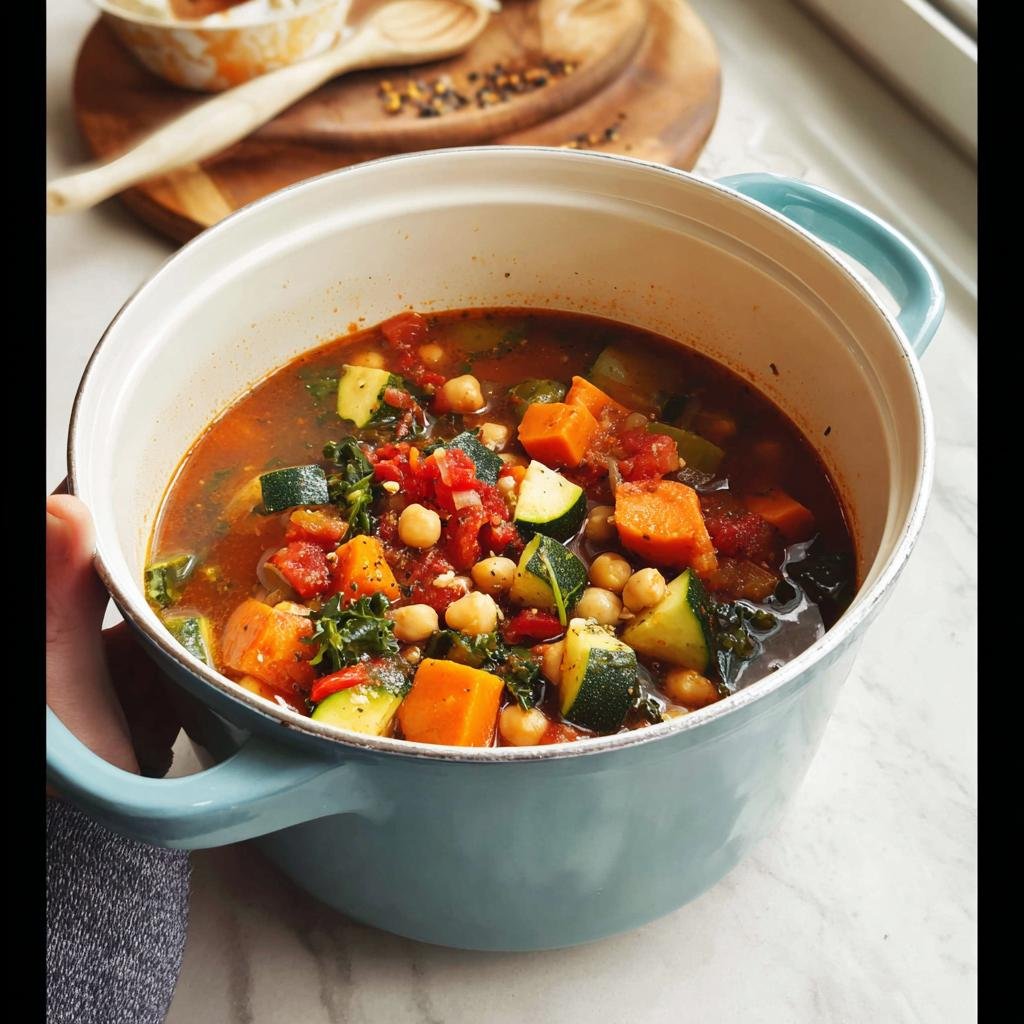
Healthy Winter Soup Ideas
Ingredients
Equipment
Method
- Heat the oil in a large pot over medium heat.
- Add the onion, salt, and several grinds of pepper, and cook, stirring occasionally, for 8 minutes.
- Add the carrot and sweet potato, stir and cook 2 more minutes.
- Add the canned tomatoes, garlic, oregano, and red pepper flakes.
- Stir in the broth and bay leaves. Bring to a boil, then reduce the heat to a simmer and cook, covered, for 20 minutes.
- Stir in the cherry tomatoes, green beans, zucchini, chickpeas, and cover and cook 10 to 15 more minutes, until the green beans are tender.
- Stir in the vinegar and the kale and cook for 5 minutes, until the kale is wilted.
- Season to taste and serve.