
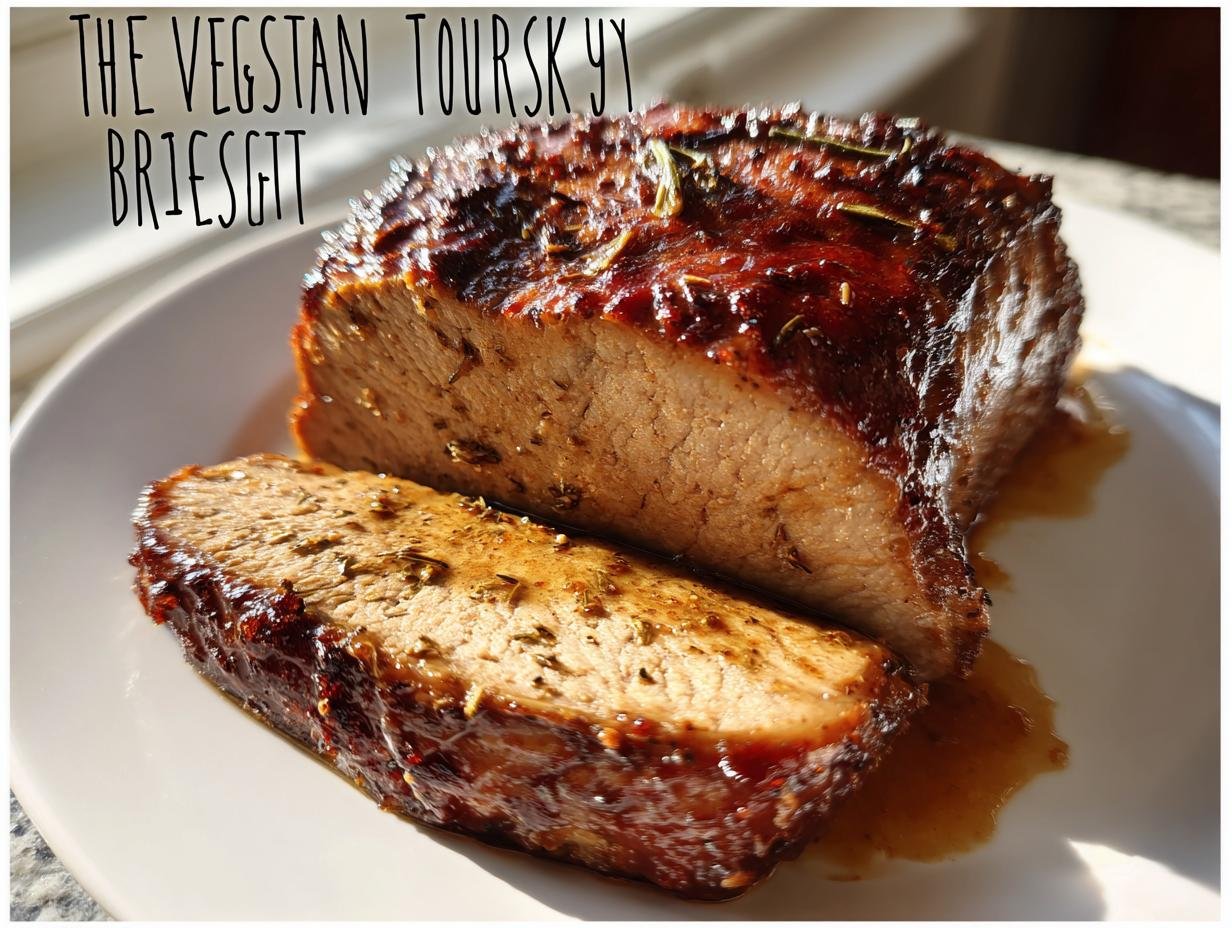
Let’s be honest, the holiday table needs a showstopper, right? Everyone looks to the middle of the table, and if you’re hosting a Vegetarian Thanksgiving, you need something that truly wows. Learning How to Make a Veggie Turkey changed my hosting game forever! The first time I made this seitan roast, my nieces were way more into playing with the toppings than actually eating the main dish. We ended up turning bell peppers into little “feathers,” using olives for “eyes,” and sticking a cucumber wedge on for the “beak.” By the time guests arrived, they were guarding their vegetable masterpiece, and guess what? It was the first platter that got completely cleaned out!
Why You’ll Love This How to Make a Veggie Turkey Recipe
You need a centerpiece that doesn’t require a whole day of fuss, and that’s what this recipe gives you. Seriously, ditch the stress! Here are a few reasons why this seitan roast is quickly becoming my go-to for special dinners:
- It’s robust and savory—nobody misses the meat!
- The chilling time is mostly hands-off waiting.
- That crispy rice paper “skin” offers incredible texture.
- It looks amazing on the table, even before the kids decorate it!
- It pairs perfectly with all the classic sides, like a good vegetable pot pie filling.
Essential Equipment for How to Make a Veggie Turkey
You don’t need a giant professional kitchen to pull this off, which is a huge relief! Most of this gear is basic stuff you probably already have tucked away in your cupboards. But there are a couple of stars in this list, especially when it comes to getting that perfect chewy texture we are aiming for.
- Food processor or blender – This makes getting that tofu base completely smooth so much easier.
- Large pot with steamer basket – Ah, the magic maker! Using a steamer basket is crucial because it cooks the seitan gently with moist heat, which stops it from drying out and keeps the final texture nice and bouncy rather than tough.
- Aluminum foil – You’ll need several good sheets of this for wrapping it up tight.
- Baking tray – For that final crisping stage in the oven.
Ingredient Breakdown for How to Make a Veggie Turkey
Okay, time to talk about what actually goes into this masterpiece! Gathering your ingredients ahead of time is my biggest tip, especially because this roast needs that overnight chill to set up right. Don’t skip prepping your tofu properly—you want it pressed and ready to rock. We’re organizing these into two key areas: what builds the foundation, and what gives us that amazing, shatteringly crisp exterior!
I always make sure I have everything ready before I start blending, especially if I’m planning on pairing this with a delicious side like my sweet potato casserole.
For the Seitan Roast
This is the main event, the body of our “turkey.” Pay close attention to the gluten; everything else is just flavor supporting it!
- 1 package (14 oz/ 396 g) firm tofu, drained (Remember, we want firm, not that wobbly kind!)
- 3 tablespoons nutritional yeast
- 2 tablespoons water (Plus more if you need to adjust the dough)
- 1 tablespoon white miso paste
- 2 teaspoons onion powder
- 2 teaspoons vegetable broth powder (Or one bouillon cube)
- 1 teaspoon garlic powder
- 1/2 teaspoon salt
- 1/2 teaspoon dried thyme leaves
- 1/4 teaspoon ground sage
- 1 1/2 cups vital wheat gluten – Now listen up: this is the absolute structural base for our roast. You cannot substitute this if you want the classic chewy texture. Trust me on this one!
For the Crispy Skin
This is the fun part that makes all our guests ask, “Wait, how did you get that skin so crispy?!” The rice paper is the clever trick here, giving us a beautiful, thin layer to hold the herb butter.
- 1/4 cup vegan butter, melted
- 4 cloves garlic, minced or pressed
- 1 1/2 teaspoons soy sauce
- 1/2 teaspoon dried thyme leaves
- 1/4 teaspoon black pepper
- 1 sheet rice paper – This unassuming sheet gets softened in water, making it mold perfectly around the roast before baking!
Step-by-Step Instructions: How to Make a Veggie Turkey Roast
Now we get down to the actual making! Don’t let the ingredient list scare you; the mixing process actually goes pretty fast if you have your ingredients ready to go. Whether you’re a food processor warrior or prefer sticking things in a single big bowl, the goal here is exactly the same: combine, shape, and steam. And remember my biggest rule for seitan—we are aiming for *just combined*, not a gym workout!
Mixing the Seitan Dough
If you’re using a food processor, toss in the tofu, nutritional yeast, that splash of water, miso, and all your spices first. Blitz that until it’s super smooth. Then dump in the vital wheat gluten and pulse until it just clumps into a ball. If you’re mixing by hand, blend the wet stuff first, then use a strong spatula to work in the gluten until it forms a mass.
This is important: Do Not Knead the Dough! Kneading makes it tough. Once it forms a ball, stop mixing it. If the dough seems crumbly and dry, add water one small tablespoon at a time until everything just holds together nicely. You want it soft, not sticky!
Steaming and Chilling for Texture
After mixing, you need to shape the dough into a nice oval log right on top of a layer of aluminum foil. Wrap that foil around it super tight—use a double layer just to be safe—so the shape stays compact. Set up your steamer pot with boiling water underneath the basket, pop the foil-wrapped roast in, cover it, and steam it for a full hour. Check that internal temperature; it needs to hit at least 160°F (71°C).
When it’s done steaming, take it out but leave it wrapped in the foil to cool down a bit before it goes into the fridge. Honestly, the absolute best thing you can do for the final texture of this roast is let it chill in the refrigerator overnight. It shrinks a little and firms up beautifully. If you try to use it warm, it won’t slice well!
We will be using that cranberry almond orange bundt cake recipe soon, but first, we finish this centerpiece!
Achieving the Crispy Skin on Your How to Make a Veggie Turkey
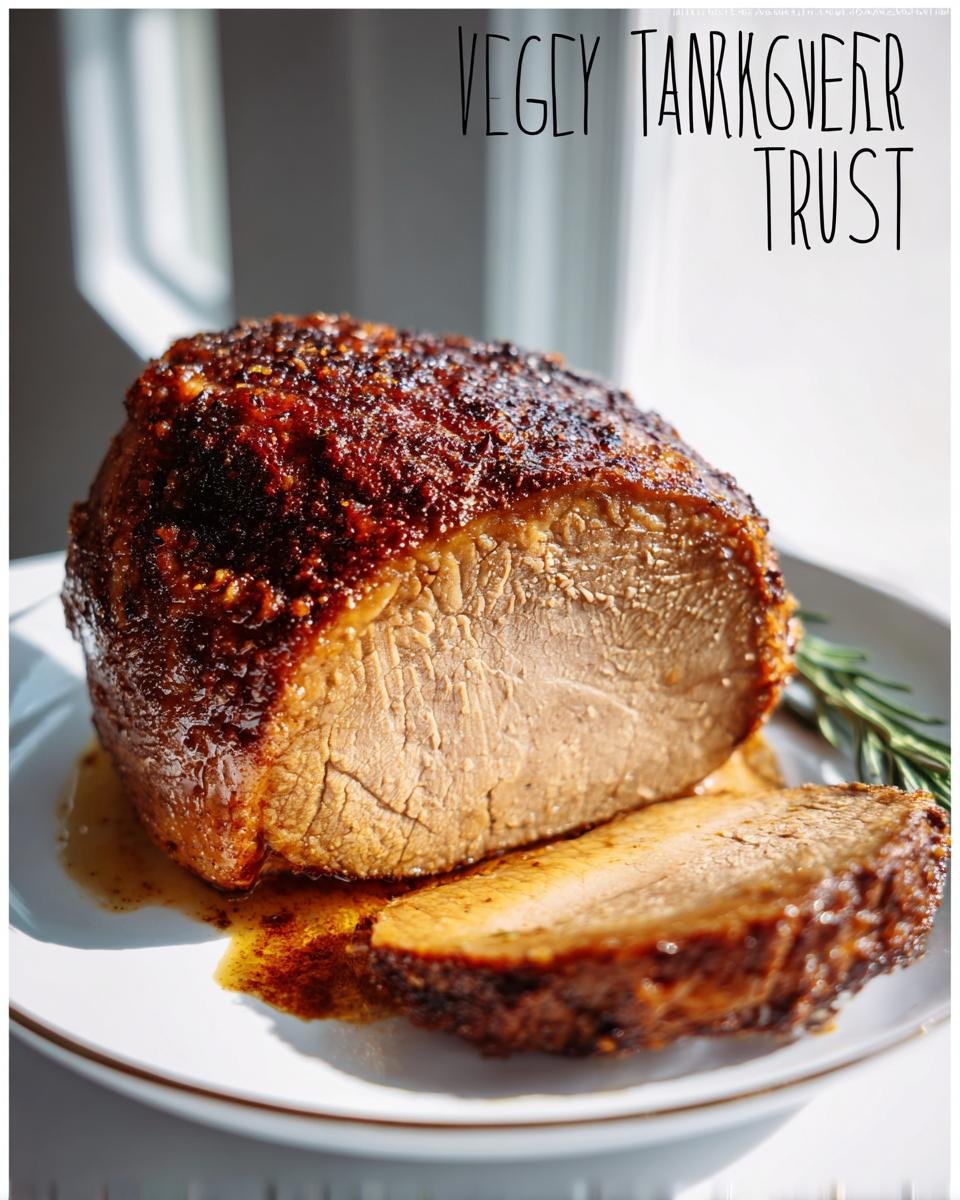
Alright, the chill time is over! This is where the magic happens because we are moving from a firm log of seitan to a beautiful, golden-brown centerpiece. The key to this step is the glaze we make—it’s savory, garlicky, and tastes incredible on that slightly chewy seitan texture.
First up, get your oven preheated to 400°F (200°C) and have a clean baking tray ready. While that warms up, pull that chilled roast out of the foil. It might look a little pale and strange after chilling, but don’t worry—that’s fixable!
In a little bowl, mix up your glaze ingredients: the melted vegan butter, all that minced garlic (don’t be shy with the garlic!), soy sauce, thyme, and pepper. Brush this mixture all over the roast. It’s going to smell amazing even this early in the process. After that first coating, it goes into the oven for about 15 minutes. This gets the roast warmed through and starts setting the flavors.
Now for my favorite, slightly weird trick: the rice paper skin! Get a wide, shallow dish ready with lukewarm water. Dip that single sheet of rice paper just long enough for it to become pliable—maybe 30 seconds. It needs to be floppy and transparent, but not falling apart. Quickly drape that softened paper right over your half-baked roast on the tray.
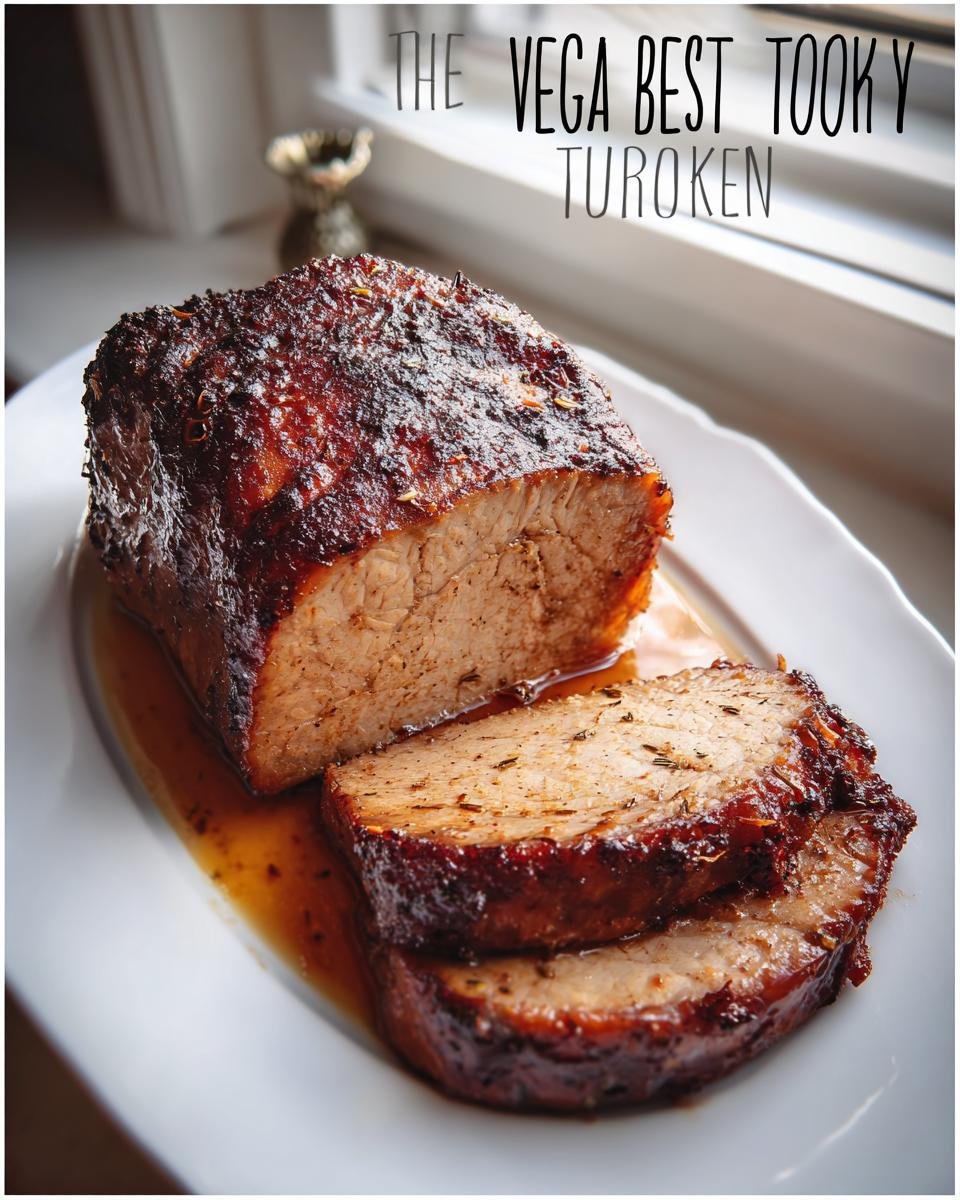
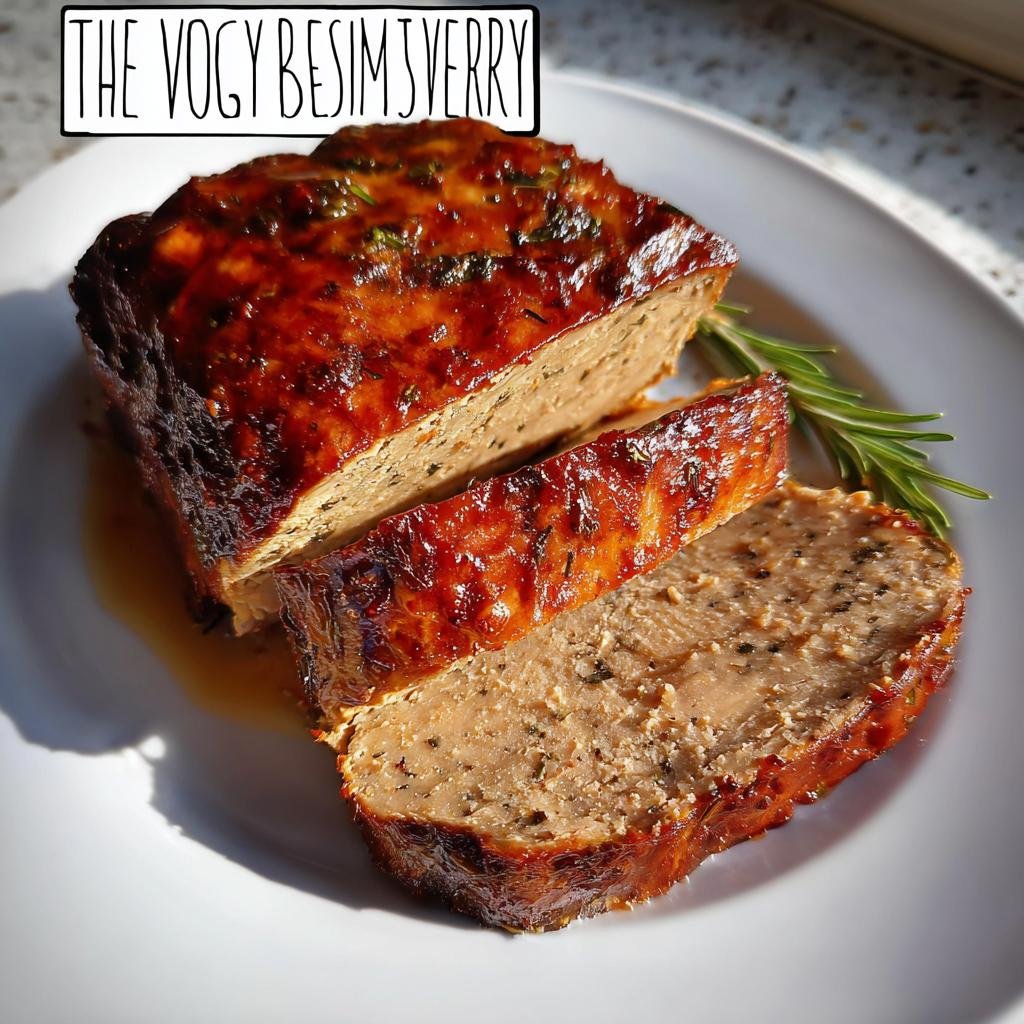
Brush the rest of your glaze mixture right over the rice paper. This acts like glue and helps the paper adhere perfectly to the whole surface, sealing in the moisture and creating a lovely crackly exterior. Pop it *back* into the oven. You’re looking for another 15 to 25 minutes until it’s gorgeously golden brown. If you feel like you need a festive drink to celebrate making a perfect roast, I always pair complex holiday flavors with a batch of my Cosmopolitan Party Punch!
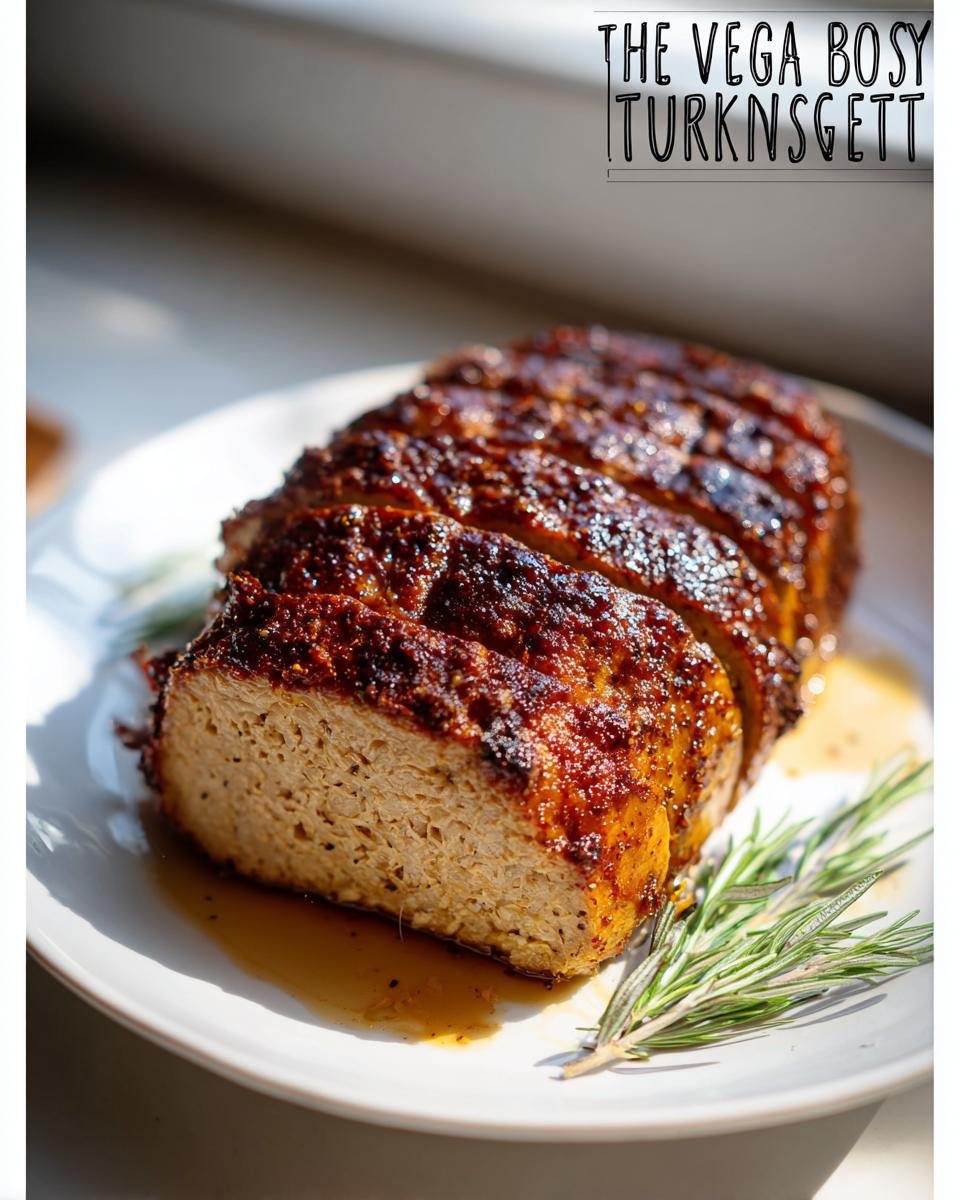
The final, non-negotiable step is waiting. Once it comes out, let it rest on the tray for a solid 10 minutes before you attempt to slice it. As it cools slightly, that rice paper skin gets even crispier and holds its shape better. Seriously, patience here means those slices look perfect every single time!
Tips for Success When You How to Make a Veggie Turkey
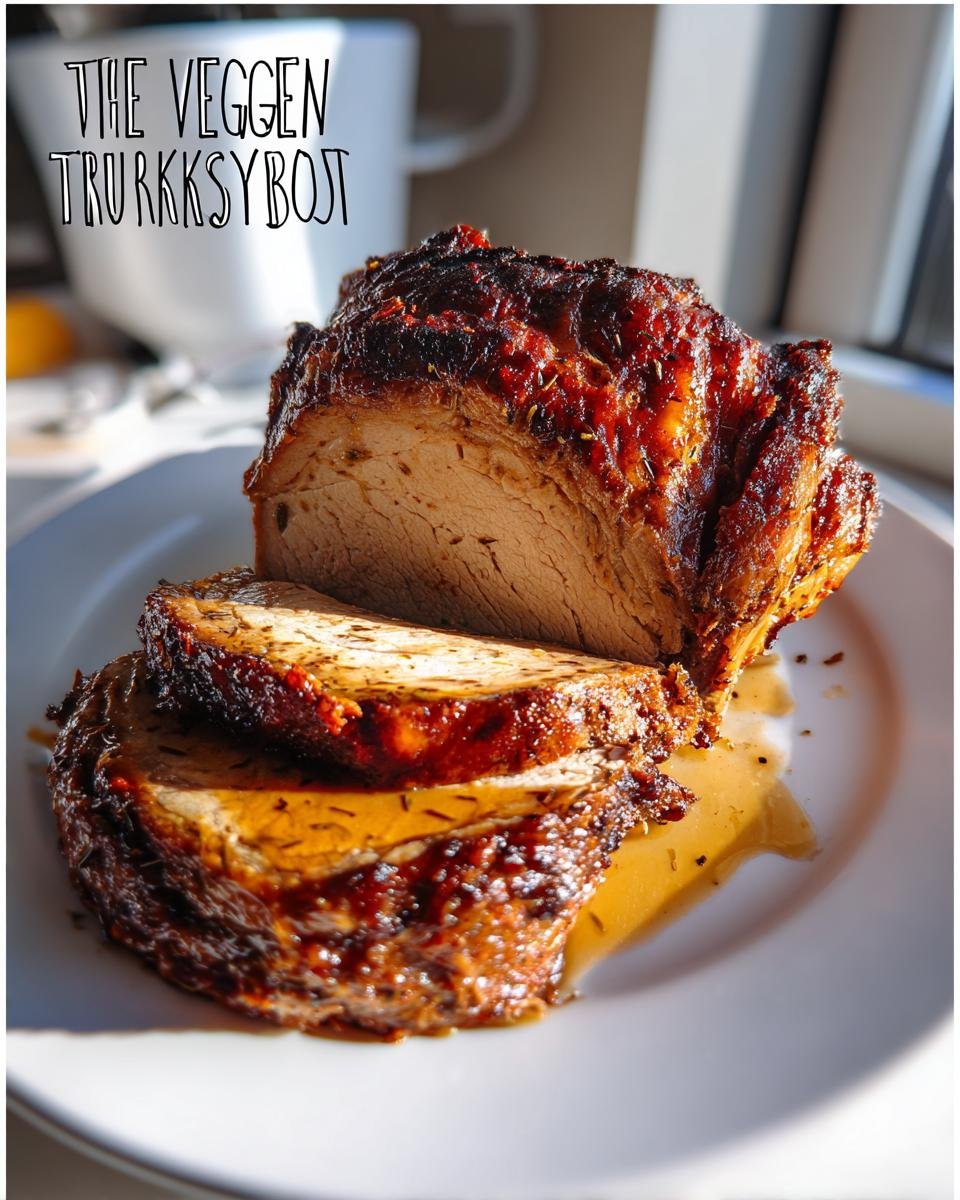
Look, I know this recipe has a few fiddly stages—steaming, chilling, wetting paper—but it’s not hard; it just requires a few specific tricks for that show-stopping texture. If you nail these four points, you’ll be serving up the best vegetarian holiday centerpiece ever, and everyone will be asking how you did it!
First, let’s talk about the chilling time. The recipe calls for chilling it overnight, and I cannot stress this enough: don’t skip the overnight chill! If you try to slice it hot or even just cool after steaming, the texture will be spongy and fall apart when you try to slice it. That long rest in the fridge is what makes it firm up so you get those nice, clean slices that look just like a traditional roast.
Second tip deals with the gluten mixing. Remember I said no kneading? That is vital! When you mix vital wheat gluten, you are developing elastic strands. The more you work the dough, the tougher and chewier the final roast becomes—we want savory and firm, not rubbery! Stop mixing as soon as that shaggy ball forms. If you’re worried about getting the right amount of moisture, start with a tablespoon less water than the recipe calls for and add more only if your dough absolutely won’t come together.
Third, when you’re softening that rice paper, less is truly more. If you soak it for too long, it turns into a mushy mess that’s impossible to handle. You just want it pliable enough to stretch over the roast, like a very thin, damp sheet. Work quickly when you apply it and smooth out any big wrinkles immediately before you brush on that final butter mixture. That glaze really helps seal the deal and makes sure the paper sticks tight!
Finally, for cleanup and confidence, always have a good, strong liquid on hand for serving. This roast eats really well with a rich gravy or a tasty sauce. If you are serving guests who prefer to skip the booze, whip up a batch of my non-alcoholic thanksgiving punch recipe! It cuts through the richness of the seitan perfectly and gives everyone something bright to sip on while you carve the centerpiece.
Storage and Reheating Instructions
You probably made too much, that’s just how holiday cooking goes! Luckily, this Veggie Turkey holds up really well, but we have to be smart about how we reheat it, especially if we want to keep that amazing crispy skin intact. It’s all about protecting the texture you worked so hard to create!
For simple leftovers, just pop the sliced roast into an airtight container. It keeps beautifully in the refrigerator for about four to five days. I often slice mine up right away because it makes packing lunches the next day a breeze. You can eat the leftovers cold, actually, because the flavor of the seitan deepens overnight, making it great in sandwiches!
If you want to reheat slices, you have a couple of options. If you decide to try reheating large portions, you should skip the microwave; microwaves are the enemy of that perfect, firm seitan texture. Instead, I recommend wrapping your slices tightly in foil—like you did when you steamed it—and popping those foil packets into a moderate oven (around 350°F/175°C) until they are warmed through. This gentle heat keeps the inside moist.
Now, about that skin! If you have leftover skin attached and you want it crispy again, you have to finish it in the oven or an air fryer *after* it’s warmed up. Slice it, warm the pieces in the foil as described above, and then, in the last five minutes, uncover them and crank the heat slightly, or transfer the slices to an air fryer basket until the skin crackles a bit. It brings it right back to life!
If you have a ton left over, remember you can freeze the roast before you ever apply the rice paper skin! Steam it, cool it completely, wrap it well, and toss it in the freezer for future quick meals. When you thaw it in the fridge overnight, it’s ready for that glaze and final roast. Honestly, having these leftovers makes the post-holiday scramble so much easier. And if you need a nice, bright palate cleanser after all that richness, mix up a batch of my Cranberry Orange Prosecco Punch!
Frequently Asked Questions About How to Make a Veggie Turkey
I know when you tackle a new recipe for a big gathering, you always have a few nagging questions floating around! That’s totally normal! I’ve pulled together the most common things people ask me when they try How to Make a Veggie Turkey for the first time. Hopefully, this helps you feel totally confident walking into the kitchen.
Can I substitute vital wheat gluten in this How to Make a Veggie Turkey?
Oh, boy, this is the big one! If you try to skip the vital wheat gluten (VWG), you won’t actually have a roast—you’ll just have flavored tofu mush. The VWG is what provides the long protein chains that become the meaty, chewy texture we are aiming for. It’s the structure! You truly can’t substitute it with things like chickpea flour or soy flour if you want that classic holiday roast feel. Stick with the VWG; it’s worth hunting down!
What is the best way to serve this holiday roast?
You want to treat this Veggie Turkey just like you would a beautiful, traditional roast! The strong savory flavors from the miso and herbs mean it stands up really well to rich sides. My absolute favorite way to serve it is drowning it (just a little!) in a thick, homemade mushroom gravy. Nothing beats slicing off a piece and letting the gravy pool around it on the plate. And because you’ll want something hearty to soak up all that goodness, you simply must have a big bowl of creamy mashed potatoes ready to go. If you’re looking for a great side dish that doesn’t feel heavy, try my recipe for Italian White Bean Soup earlier in the week!
Nutritional Estimates for This Recipe
Since we’re all about enjoying the feast without stressing over every single measurement, I wanted to give you a general idea of what’s packed into this amazing centerpiece. Remember, since this is a homemade seitan roast, these numbers are based on averages, and what you end up with heavily depends on the brand of tofu you use or how much butter ends up sticking to the pan!
But generally speaking, this is a protein-packed meal perfect for filling up your family after a long day of holiday planning. If you’re looking for something lighter to eat earlier in the day, I always fall back on my simple apple cinnamon oatmeal recipe. It sets a great tone!
Here’s a ballpark look at the estimates per serving (the recipe serves 4):
- Calories: About 234
- Protein: A massive 39g! This keeps everyone full way past dessert.
- Fat: Only about 2g (If you go oil-free on the skin, this drops even lower!)
- Carbohydrates: Right around 15g
- Sodium: Around 1046mg (This is due to the miso and broth powder, so keep that in mind if you are watching salt intake!)
It’s a truly satisfying alternative for any holiday dinner. Enjoy knowing you made something beautiful and hearty!
How to Make a Veggie Turkey
Ingredients
Equipment
Method
- If using a food processor: Add the tofu, nutritional yeast, 2 tablespoons water, miso paste, onion powder, vegetable broth powder, garlic powder, salt, thyme, and sage to the food processor. Blend until smooth. Add the vital wheat gluten and blend until a ball forms. If the mixture does not form a ball, mix until the ingredients are combined, then form the dough into a ball by hand. Do not knead the dough.
- If mixing by hand: Blend everything except the vital wheat gluten until smooth using a blender or immersion blender. In a large bowl, mix in the vital wheat gluten with a strong spatula or wooden spoon until a ball forms. Use your hands if necessary. Do not knead the dough.
- If the dough is too dry in either method, add 1 tablespoon of water at a time until you have a soft, smooth dough.
- Place the dough ball on a sheet of aluminum foil. Shape it into a slightly oval form. Wrap the foil securely around the ball, using a double layer of foil for a tight seal.
- Fill a large pot with several inches of water and place a steamer basket inside. Bring the water to a boil, then add the foil-wrapped seitan to the basket. Cover the pot and steam for 1 hour, or until the internal temperature reaches at least 160°F (71°C).
- Remove the seitan from the steamer and let it cool in the foil. The foil will loosen as it cools. For the best texture, refrigerate the roast overnight. It will shrink and firm up as it cools.
- Preheat your oven to 400°F (200°C). Lightly grease a baking tray.
- In a small bowl, mix the melted vegan butter, minced garlic, soy sauce (or salt), thyme, and black pepper.
- Remove the foil from the cooled seitan and place it on the baking tray. Brush it generously with the butter-garlic mix.
- Run the rice paper underwater for about 30 seconds to soften it. Place the softened rice paper over the roast. Brush the butter and garlic mixture over the rice paper to help it stick to the roast. Make sure the paper covers the roast.
- Bake the roast for 15 minutes. Brush with the remaining butter-garlic mixture, then return it to the oven and bake for another 15 to 25 minutes until the outside is golden brown.
- Allow the roast to cool for 10 minutes before slicing. The skin will crisp more as it cools. Hold the skin in place while slicing the roast.