
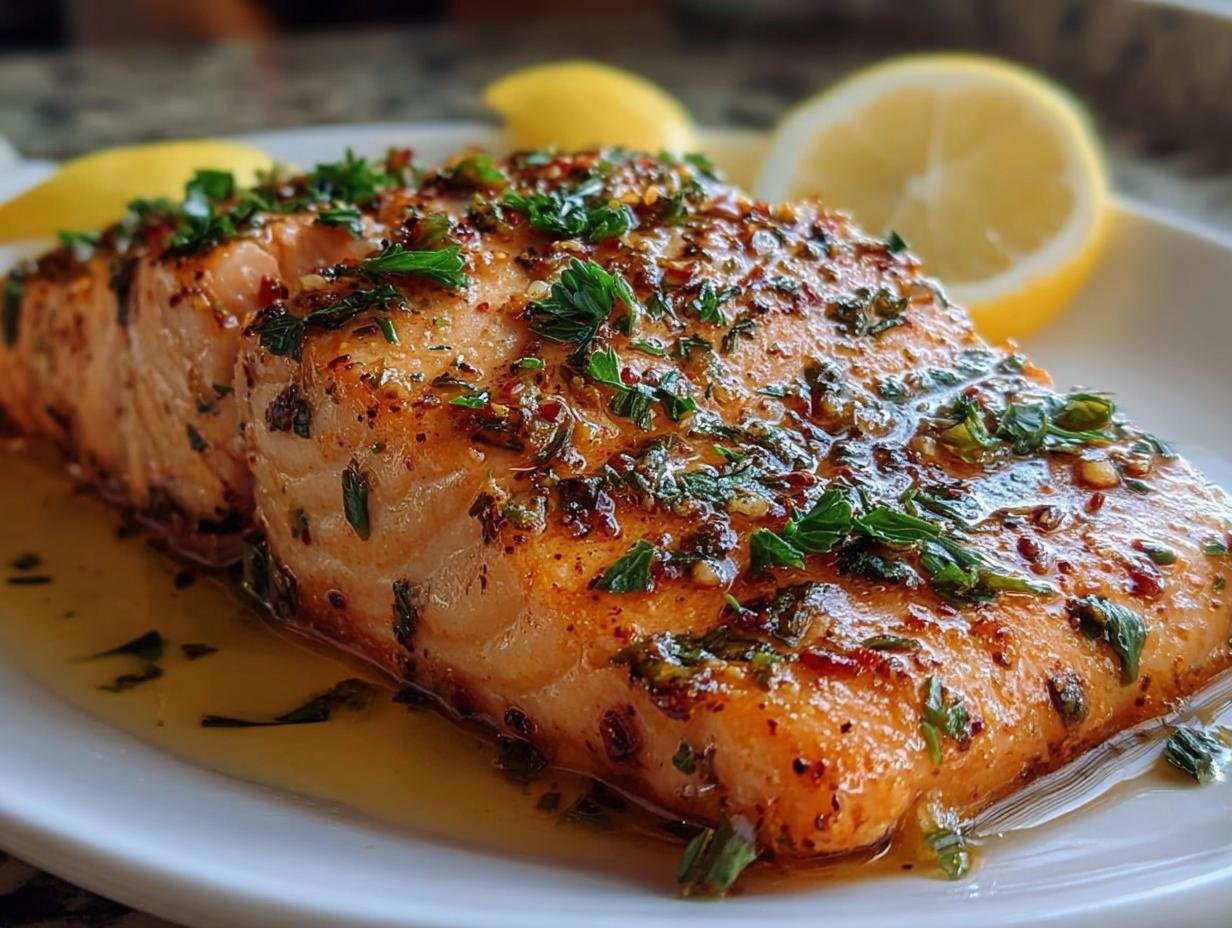
If you’re like me, sometimes you just need dinner on the table fast, but you are so sick of boring chicken or plain fish. I really struggled for ages to find a salmon recipes that packed a huge flavor punch without needing to stand over the stove for an hour. Then, I cracked the code! I wanted that savory, perfectly seasoned vibe you get from your favorite steakhouse, but baked and ready in practically no time.
Trust me when I say you need to try this Simple Texas Roadhouse Salmon Recipe for Family Dinners — You’ll Wish You Tried This salmon recipes Sooner! This seasoning blend makes the fillets unbelievably juicy. It’s my absolute go-to now for easy family dinners.
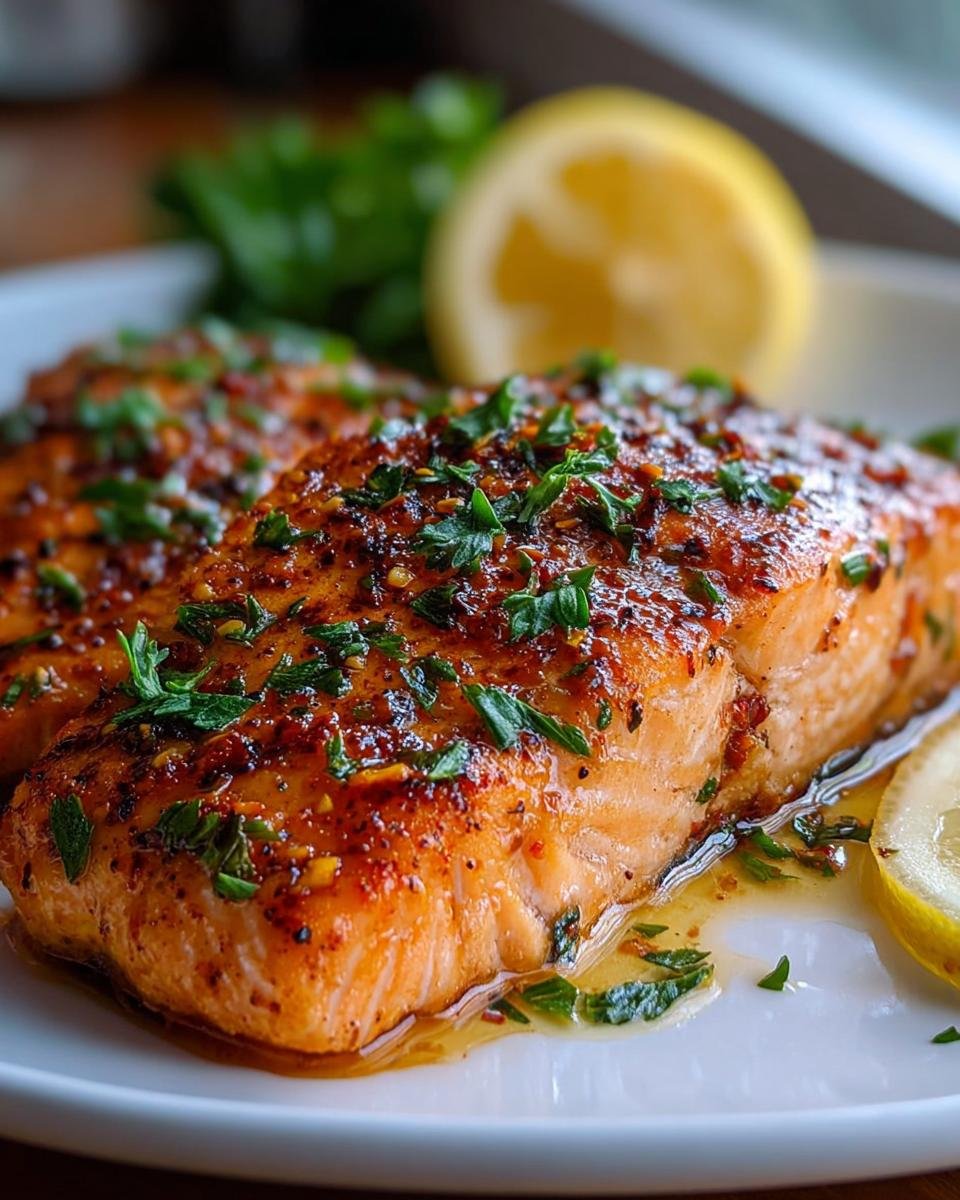
Why This Simple Texas Roadhouse Salmon Recipe is Perfect for Family Dinners
When life is busy, the last thing you want to do is pull out five different pots and pans for dinner, right? That’s why I love this recipe so much. It’s designed to be incredibly friendly for those hectic weeknights when you need something fast but don’t want to compromise on taste. Seriously, this Simple Texas Roadhouse Salmon Recipe for Family Dinners has taken all the guesswork out of serving fish!
Using just one sheet pan makes cleanup a breeze, which is basically a win in my book. Plus, the flavor delivers that robust, seasoned profile we all crave from restaurants. You’ll be amazed by how easily you can put together such a satisfying, healthy recipe.
Quick Prep and Cook Times
This part is unbeatable! You are looking at just 10 minutes of prep time, mostly just mixing spices. Then, it bakes for about 15 minutes. That’s dinner on the table—from fridge to fork—in under 30 minutes total time, including resting. It moves fast, so don’t wander off!
Flavor Profile: Just Like the Restaurant
I honestly spent weeks testing that seasoning blend. We’re talking garlic, onion, paprika, and just a little kick of cayenne. It creates this amazing, savory crust on the salmon. It’s all about the perfect balance of herbs that truly reminds me of that smoky, well-seasoned steakhouse standard, but it’s light enough for fish.
Gathering Ingredients for Your Simple Texas Roadhouse Salmon Recipe
Okay, gathering things for this Simple Texas Roadhouse Salmon Recipe is almost easier than actually cooking it! Because we aren’t doing complex sauces, the magic lives entirely in the spice blend. You probably have most of this stuff in your pantry already. Remember, good ingredients make great lean protein meals, right?
We are making enough seasoning for two lovely fillets, so make sure you grab two nice pieces of salmon, about 6 ounces each. Don’t skimp here; good quality fish really shines through when the seasoning is this simple.
For the Salmon Fillets and Seasoning
Here’s what you need to mix up for that perfect savory coating. Be exact with these measurements for that restaurant resemblance!
- Two salmon fillets (about 6 oz. each)
- 2 tablespoons of olive oil—this helps the spices stick beautifully.
- 1 teaspoon each of garlic powder, onion powder, paprika, and dried oregano.
- One half teaspoon of cayenne pepper—don’t panic, this is just for depth, but feel free to skip it if the kids get nervous!
- Salt and black pepper, just to taste.
- The juice of one whole fresh lemon.
Garnish and Serving Components
These aren’t mandatory, but wowza, they make the dish look professional! After it comes out of the oven, you’ll want:
- Fresh parsley, chopped finely for a pop of green color.
- A few extra lemon slices to squeeze over your portion right before eating.
Step-by-Step Instructions: Making the Simple Texas Roadhouse Salmon Recipe
Alright, let’s get cooking! Since this is our go-to for a quick family dinner, I’ve streamlined the process so you don’t miss a beat. Follow these steps closely for that amazing Simple Texas Roadhouse Salmon Recipe flavor. Everything happens quickly, so have your ingredients ready to go before you start! Because we use one pan and minimal fuss, this recipe is a perfect example of wholesome one-pan dinners.
Preparation and Spice Mix Creation
First things first, we need heat! Go ahead and preheat your oven to 400°F (that’s 200°C). While that’s getting happy, grab your small bowl. This is where the magic blend happens. Toss in all your dry spices: the garlic powder, onion powder, paprika, oregano, half a teaspoon of that cayenne, salt, and pepper.
Pour in your 2 tablespoons of olive oil right over those spices. Now, you can use a tiny whisk or just a fork, but you need to mix this until it’s a consistent, thick paste. It should look slightly brownish-red and smell absolutely glorious!
Seasoning and Oven Placement
Next up, grab those salmon fillets. This is super important for getting a good crust: pat them completely dry with a paper towel. Excess water is the enemy of searing and seasoning adherence! Lay them gently onto a baking sheet that you’ve already lined with parchment paper. Having that parchment down saves you so much scrubbing later, I promise.
Now, get that spice paste all over that fish. I like to use my fingers or a silicone brush to really massage it in evenly across the top surface of both fillets. Don’t leave any pale spots! Once they are fully coated in the seasoning mixture, grab your fresh lemon and squeeze the juice of that entire lemon right over the top of the seasoned salmon.
Baking and Resting the Salmon
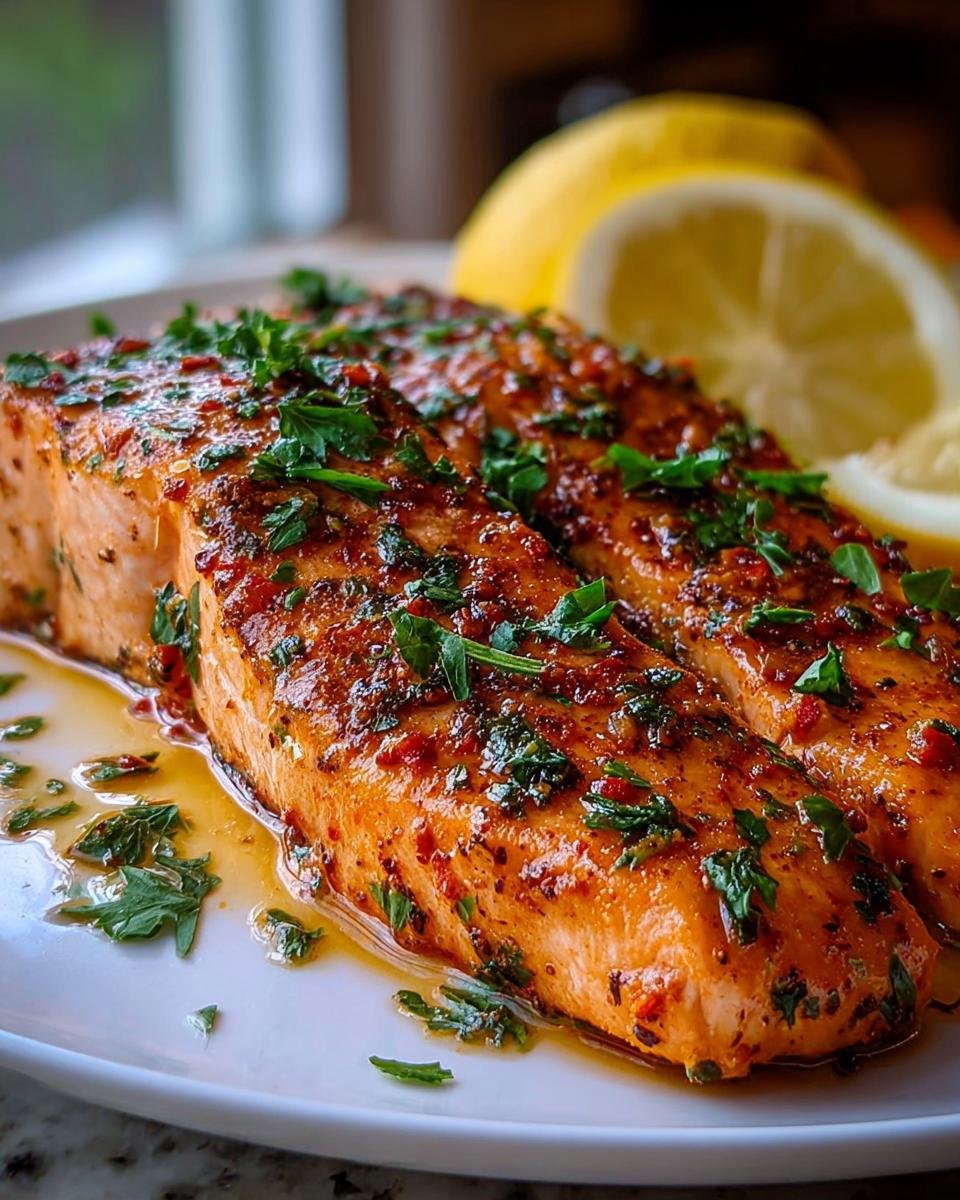
Pop that baking sheet right into your hot, preheated oven. You are going to bake these beauties for about 12 to 15 minutes. How do you know they’re done? Simple: grab a fork and gently wiggle the thickest part. If it flakes apart easily, they are done! If it looks a little translucent in the middle, give it two more minutes.
This next part is non-negotiable if you want juicy fish: take them out and let them rest right on the pan for about 5 minutes. This resting time is crucial because it lets all those wonderful juices redistribute back into the fish instead of spilling out everywhere when you slice into it. Don’t skip this little breather!
Finishing Touches and Serving
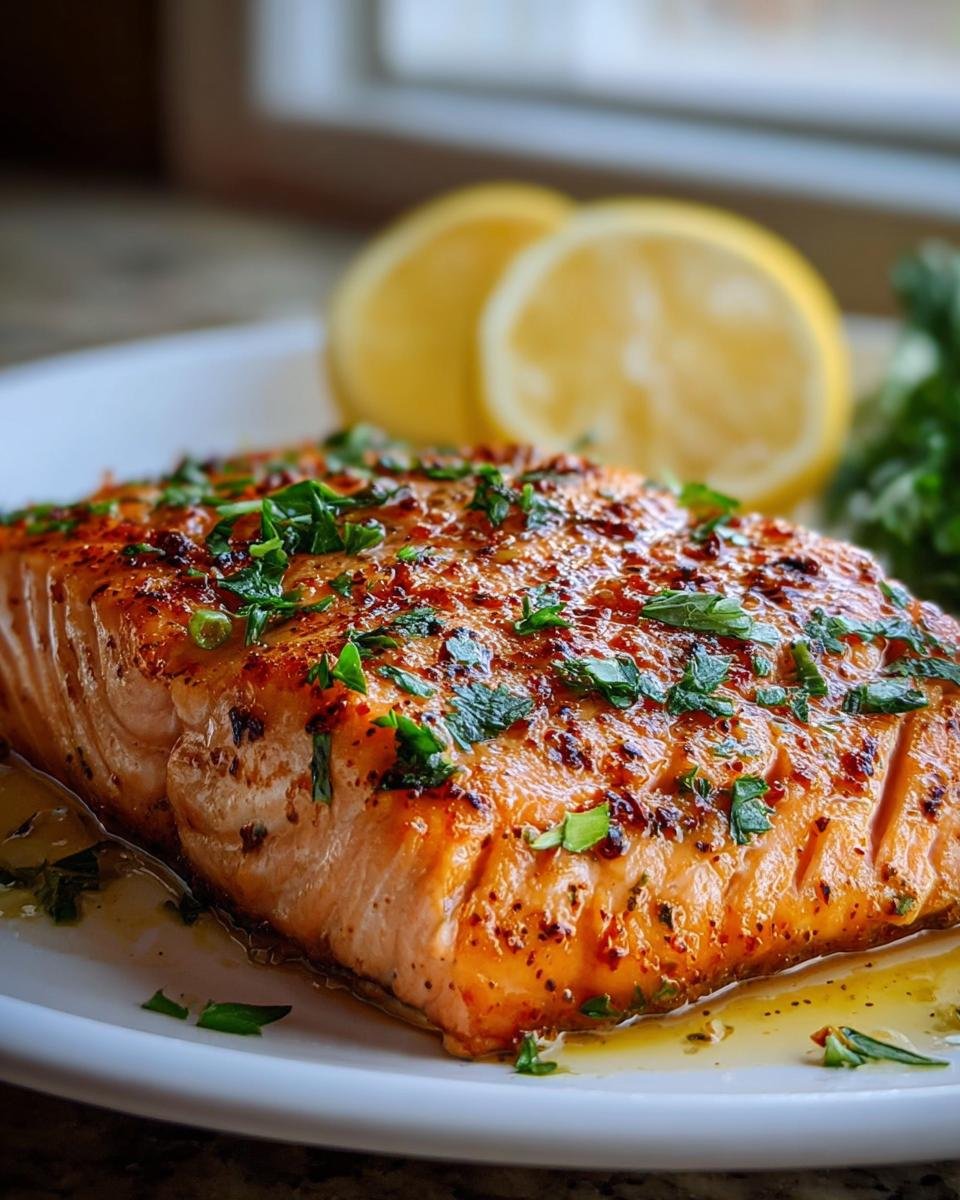
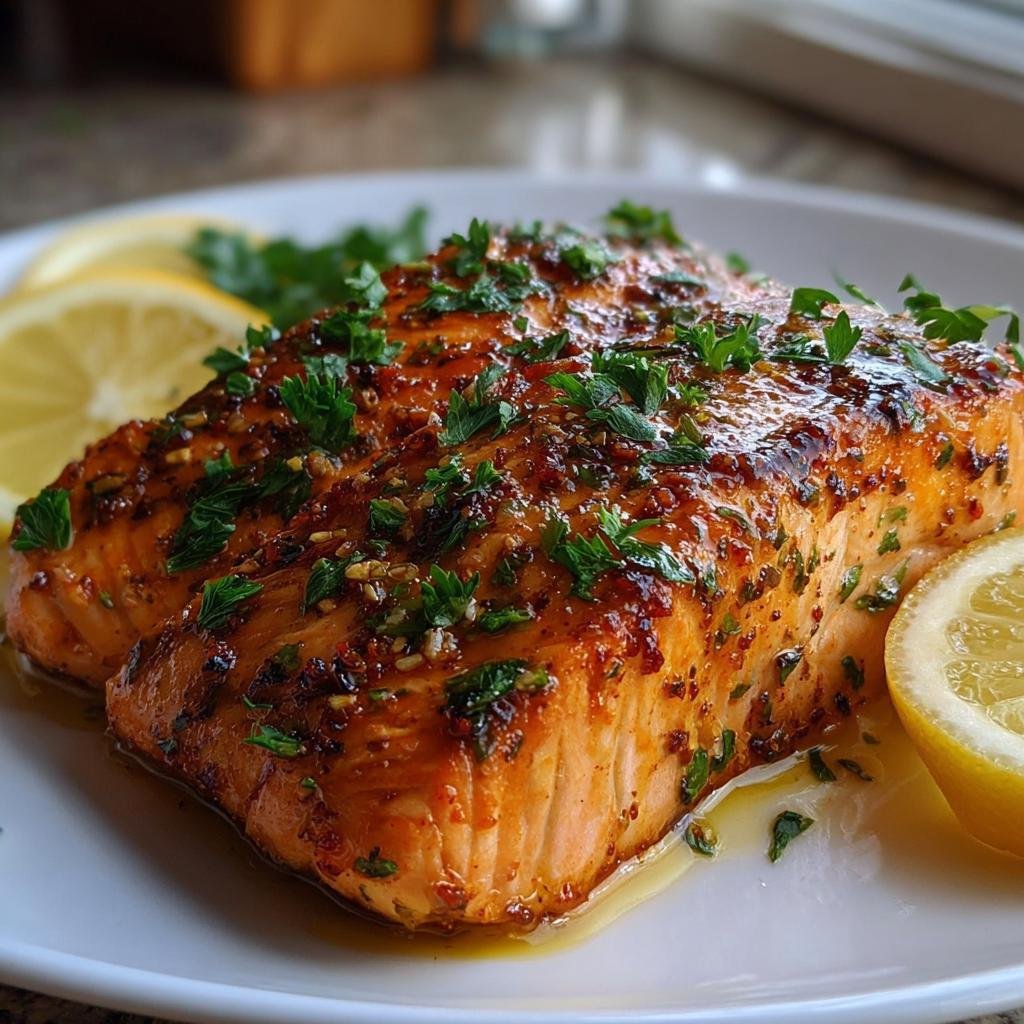
Once your salmon has had its little rest period, transfer the fillets carefully to your serving plates. Time to make it look fancy! Sprinkle that freshly chopped parsley liberally over the top. It adds a brightness that cuts through all that savory spice.
If you’ve got extra lemon slices handy, put one right next to each fillet. That last squeeze of fresh citrus right before you take a bite just elevates this whole Simple Texas Roadhouse Salmon Recipe experience. Enjoy!
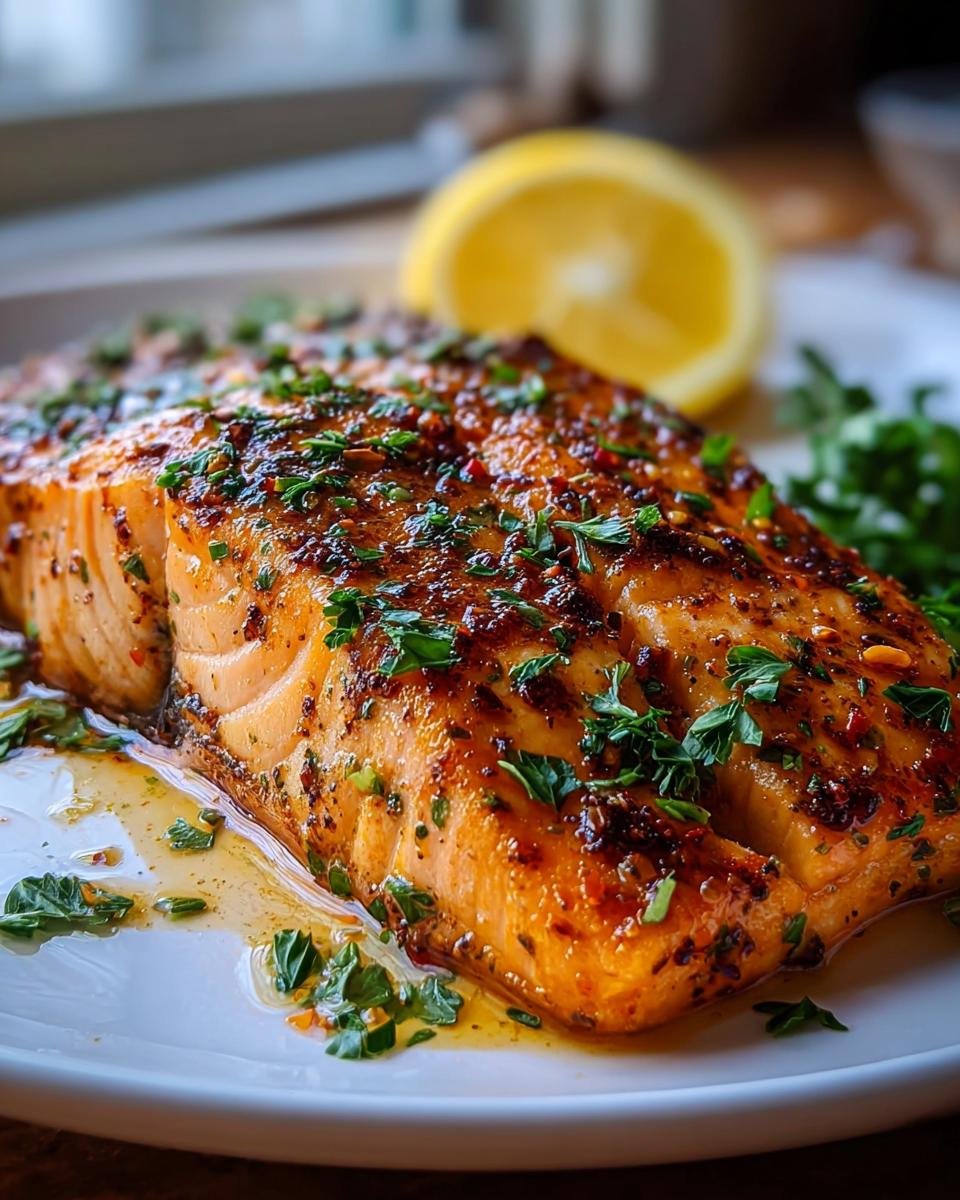
Expert Tips for Perfect Simple Texas Roadhouse Salmon Recipe Results
I know the instructions are straightforward, but trust me, little chef tricks make the difference between good salmon and Amazing salmon. These tips are what I learned over time to make sure my Simple Texas Roadhouse Salmon Recipe is consistently the star of the dinner table. We want that crust locked in, and we want it juicy!
Achieving Even Spice Coating
You absolutely cannot skip patting the salmon dry first. If the surface is even slightly damp, the olive oil will just slide right off, taking your beautiful spice mix with it, and you’ll end up with patches of plain fish. Once it’s dry, use your hands—yes, wear a glove if you hate touching raw fish—or a silicone pastry brush to really press that seasoning paste onto every surface you can reach.
The goal is coverage, but remember we are baking, not frying, so don’t glob it on so thick that it burns before the fish cooks through. Just a nice, solid, even layer is all you need.
Monitoring Doneness
The forked test is usually my faithful guide, but sometimes you get flaky fillets that try to lie to you! If you’re ever nervous about undercooking or drying out your fish, grab yourself a decent instant-read thermometer. You are aiming for an internal temperature of 145°F right in the thickest part of the fillet.
Pull it out of the oven when it hits about 140°F, because as we learned, it keeps cooking while it rests. That little bit of residual heat is what guarantees you don’t overcook it during the crucial resting period after you pull this baked salmon out of the heat!
Ingredient Notes and Substitutions for This Salmon Recipes
I love questions about ingredients! It shows you’re thinking about making this Simple Texas Roadhouse Salmon Recipe your own, and that’s fantastic. Since this recipe relies so heavily on that spice mix, sometimes you need to tweak things based on what you have or what your family prefers. Don’t stress if you’re missing one tiny thing; we can usually swap it out.
Spice Adjustments
The big question always comes down to that cayenne pepper. It adds a background warmth that really mimics that smoky restaurant flavor, but if you’re cooking for people who are sensitive to heat, seriously, don’t feel obligated to use it. You can leave the cayenne out entirely, and the salmon will still be delicious, just less spicy.
If you want to substitute the cayenne, sometimes a pinch of smoked paprika (if you have that on hand instead of regular paprika) can give you a hint of smokiness without the burn. It’s all about finding that savory balance you enjoy for your healthy recipes.
Oil Alternatives
I always reach for olive oil because I have it handy, and it mixes into a nice paste with the spices. However, sometimes you might be worried about its smoke point in the oven, or maybe you just ran out! That’s totally fine.
If you substitute the olive oil, I highly recommend using avocado oil. It has a very high smoke point, which means it handles our 400°F oven like a champ without breaking down. Anything neutral in flavor works best here since we want the herbs to star in this show, not the oil itself.
Serving Suggestions for Your Simple Texas Roadhouse Salmon Recipe
I mean, you’ve made this fabulous Simple Texas Roadhouse Salmon Recipe for Family Dinners, so now we need sides that live up to the main event, right? Because the seasoning is so robust and savory, you want things that are either bright and fresh or totally classic steakhouse comfort food. Keep it simple so the fish remains the hero!
Classic Side Dishes
When I make this, I usually aim for that classic restaurant plating vibe. Roasted asparagus is a total winner here; the slight char works perfectly with the spices on the salmon. I toss mine with just a drizzle of oil and salt, and maybe a little garlic powder.
Or, if you are feeling extra hungry, you absolutely can’t go wrong with a fluffy baked potato. A little sour cream, chives, maybe sprinkle on some of my roasted garlic parmesan carrots on the side for some sweetness? That makes it a complete, hearty meal that everyone—even the picky eaters—will get excited about!
Storage and Reheating Instructions for Leftover Salmon Recipes
Even though this salmon disappears fast around here, sometimes we get lucky and have leftovers! And nobody wants dry, sad fish the next day, right? Storing and reheating is key to enjoying this seasoned fish again without feeling like you’re eating something totally different. We want that flavor locked in!
Refrigeration Guidelines
As soon as the salmon has cooled down a bit—and I mean just slightly, don’t leave it sitting out for hours—you need to get it tucked away safely. The best way to handle any leftover healthy recipe fish is to put it into a really good airtight container. You want zero air exposure.
If you’ve kept it sealed up tight, this salmon will stay perfectly good in the refrigerator for about three to four days. I usually aim to eat it within 48 hours, but four days is the absolute limit for safety and best texture. Don’t crowd the pieces; if you stack them too tightly, they sometimes steam each other.
Best Reheating Methods
This is where most people go wrong—they zap it in the microwave for 90 seconds, and BAM! Shoe leather salmon. We are aiming for gentle warmth here, not a second bake.
My absolute favorite trick is to wrap the leftover portion snugly in a small piece of aluminum foil. Foil traps the steam and moisture that is trying to escape. Then, put that wrapped piece into a preheated oven set really low—think maybe 275°F or 300°F max. Let it warm up slowly for about 10 minutes. It reheats beautifully without drying out, bringing back that fresh-from-the-oven juiciness we loved the first time!
Frequently Asked Questions About This Simple Texas Roadhouse Salmon Recipe
I know you’ve got questions! Anytime a recipe claims to nail restaurant flavor this easily, I get curious too. These are the things readers ask most often about making this Simple Texas Roadhouse Salmon Recipe for Family Dinners. Hopefully, this settles any last doubts so you can get this amazing healthy recipe on your table tonight!
Can I use frozen salmon fillets?
You absolutely can use frozen salmon fillets, but you cannot skip the thawing step! Never put frozen fish straight into the oven; you’ll end up with half-cooked, half-raw disaster. Thaw them slowly overnight in the fridge is best. If you’re desperate, you can use the cold water method—put the sealed packages in a bowl of cold water and change the water every 30 minutes until thawed.
Is this salmon recipe suitable for meal prepping?
Yes, this is fantastic for meal prepping! Because we baked it, and because we are so careful about the resting time, this salmon holds up incredibly well. As I mentioned before, the trick is reheating it gently in foil in a low oven. It makes for an easy, flavorful lunch or a second simple family dinner later in the week.
What internal temperature should the salmon reach?
For safety and the best texture, you want your perfectly seasoned baked salmon to register 145°F internally. But here’s my pro tip again: since the salmon continues to cook for a few minutes after you take it out of the 400°F oven, I actually pull mine off around 140°F. That resting time finishes the cooking process perfectly without drying it out!
Estimated Nutritional Information for This Simple Texas Roadhouse Salmon Recipe
Okay, I want to give you a heads-up on the nutrition side of things because who doesn’t love a delicious meal that also keeps you on track? When tracking macros or counting calories, remember that these numbers are just estimates. They are based on using standard, average-sized salmon fillets (the 6 oz ones we talked about) and standard pantry measurements for the oil and spices. Your exact results might vary slightly depending on the fattiness of your fish!
For those of you keeping an eye on your intake, this Simple Texas Roadhouse Salmon Recipe is a powerhouse of lean protein. It’s what I love to whip up when I need a satisfying main dish that doesn’t weigh you down. Here’s a rough breakdown for one serving after it’s baked and rested:
- Calories: Around 350–390 kcal
- Total Fat: Approximately 20–24g (Mostly healthy fats from the salmon!)
- Protein: Roughly 35–40g (Seriously, that’s a ton of filling protein!)
- Carbohydrates: Less than 2g (Since we aren’t adding any sugary glazes or heavy fillers)
See? It’s lean, it’s flavorful, and it’s super easy to fit into almost any dietary goal. It proves you don’t need complicated, carb-heavy recipes to get that satisfying, restaurant-quality dinner!
Share Your Thoughts on This Salmon Recipes
Whew! That’s it—you’ve done it! You’ve conquered the best and easiest way to get that savory, restaurant-style fish onto your table for a quick family dinner. I truly hope this Simple Texas Roadhouse Salmon Recipe becomes one of your weekly staples.
But I want to hear about your experience! Did it taste just like you hoped? Did your family devour it in seconds? Please don’t be shy! Hop down to the comments section below and give this recipe a quick rating. Seeing your feedback lets me know if I should keep sharing these simple tricks!
And listen, if you made this and snapped a photo of your perfectly baked salmon fillets, I would absolutely love to see them! Tag me on social media so I can celebrate your cooking success. Making food you love shouldn’t be complicated, and this recipe proves that every single time. Happy cooking, everyone!
Simple Texas Roadhouse Salmon Recipe
Ingredients
Equipment
Method
- Preheat your oven to 400°F (200°C) to prepare for baking.
- In a small bowl, combine olive oil, garlic powder, onion powder, paprika, oregano, cayenne pepper, salt, and black pepper to create a spice mixture.
- Pat the salmon fillets dry with a paper towel and place them on a baking sheet lined with parchment paper.
- Coat the salmon fillets generously with the prepared spice mixture using a brush or your hands. Make sure the coating is even.
- Squeeze the juice of one lemon evenly over the seasoned salmon fillets.
- Place the baking sheet in the preheated oven and bake for 12 to 15 minutes, or until the salmon flakes easily with a fork.
- Remove the salmon from the oven and let it rest for a few minutes to keep its moisture.
- Sprinkle chopped fresh parsley over the salmon for garnish. Serve with lemon slices on the side.